
Manufacturing Academy
Industry Insights, Technical Guides & Real Case Studies
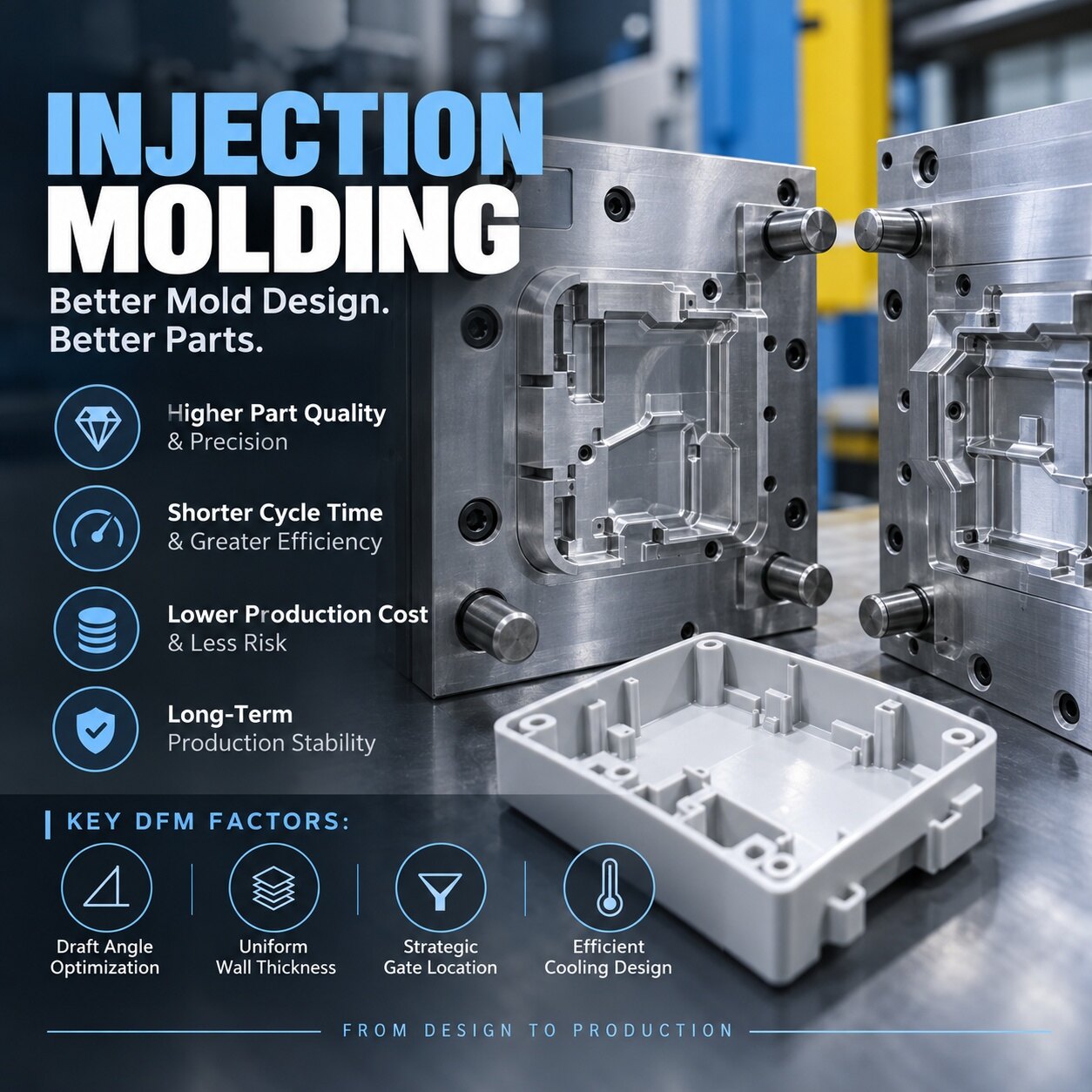
Why Mold Design Matters in Injection Molding: A Guide to DFM
Discover why a good mold design is essential for injection molding success. Learn how DFM impacts part quality, cycle times, cost control, and production stability.
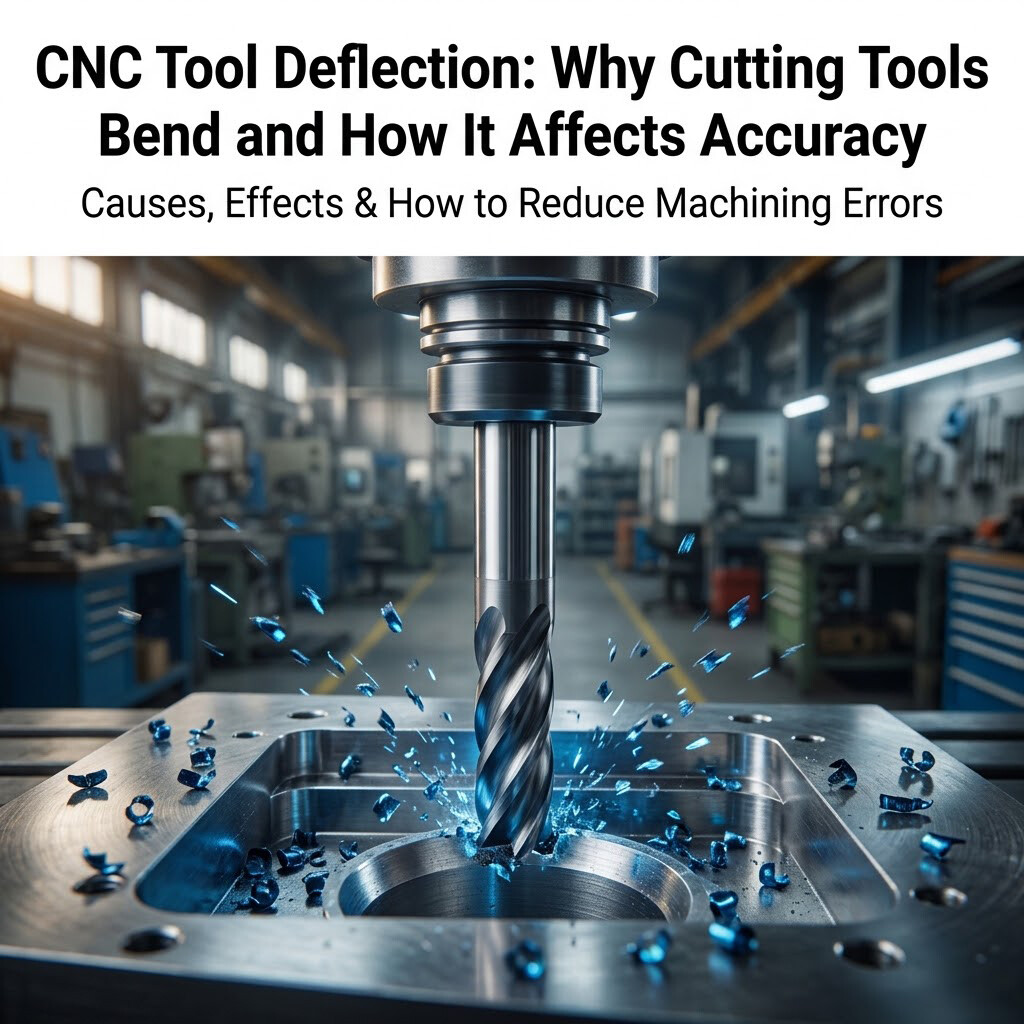
Guide 18: CNC Tool Deflection: Why Cutting Tools Bend and How It Affects Part Accuracy
Tool deflection is the temporary bending of a CNC cutting tool under machining loads, leading to dimensional errors and poor surface finishes. It is primarily caused by excessive tool length, small diameters, and high cutting forces. You can minimize deflection and improve part accuracy by using shorter tools, rigid carbide materials, and optimized cutting parameters.
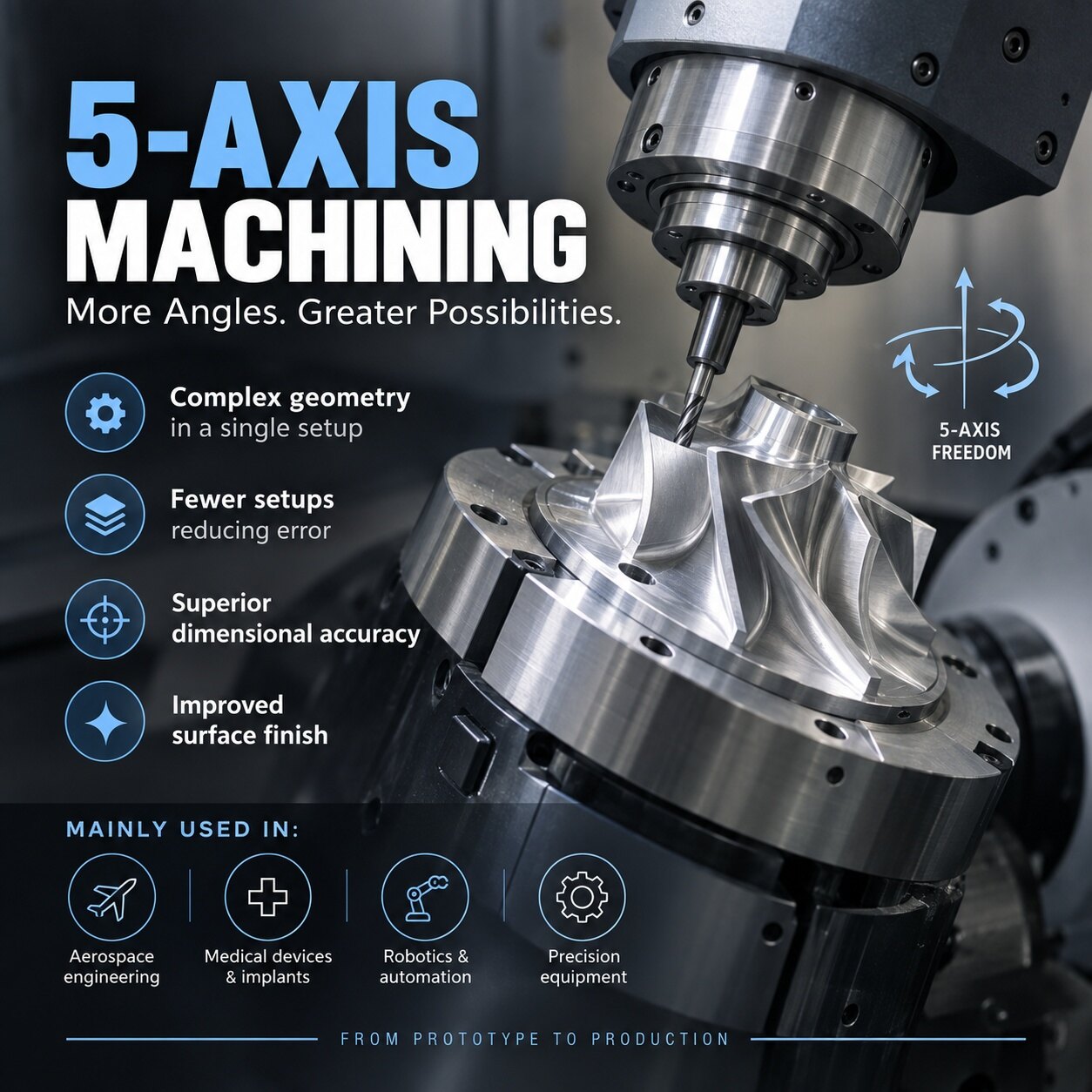
What Is 5-Axis Machining? Benefits, Applications, and Advanced Manufacturing
Explore how 5-axis CNC machining expands traditional 3-axis capabilities with multi-directional movement, delivering complex geometries, fewer setups, and superior surface finishes.
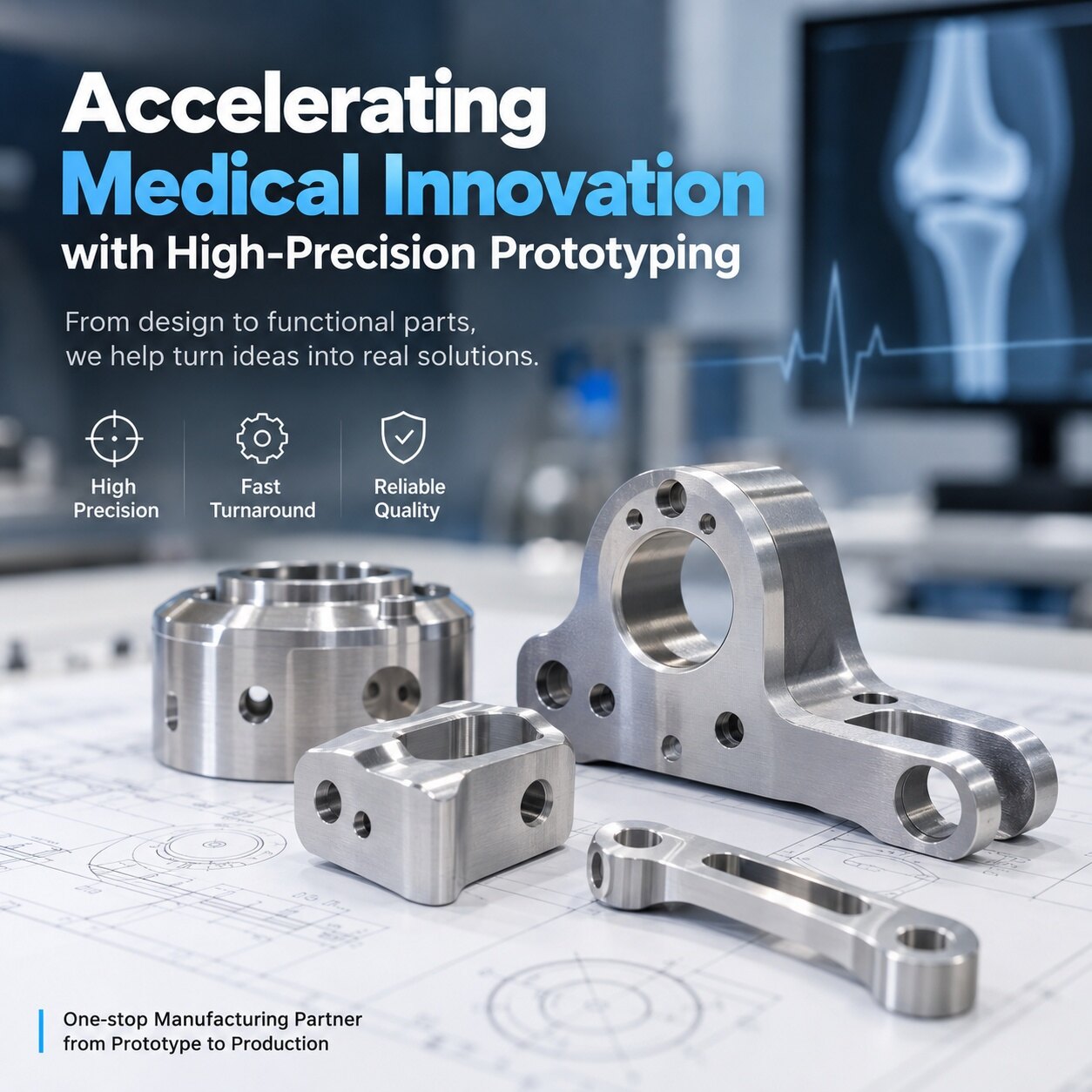
Streamlining Medical Device Prototype Development with Precision CNC Machining
Discover how high-precision CNC machining, surface treatments, and rigorous quality inspection accelerate medical equipment prototyping and testing.
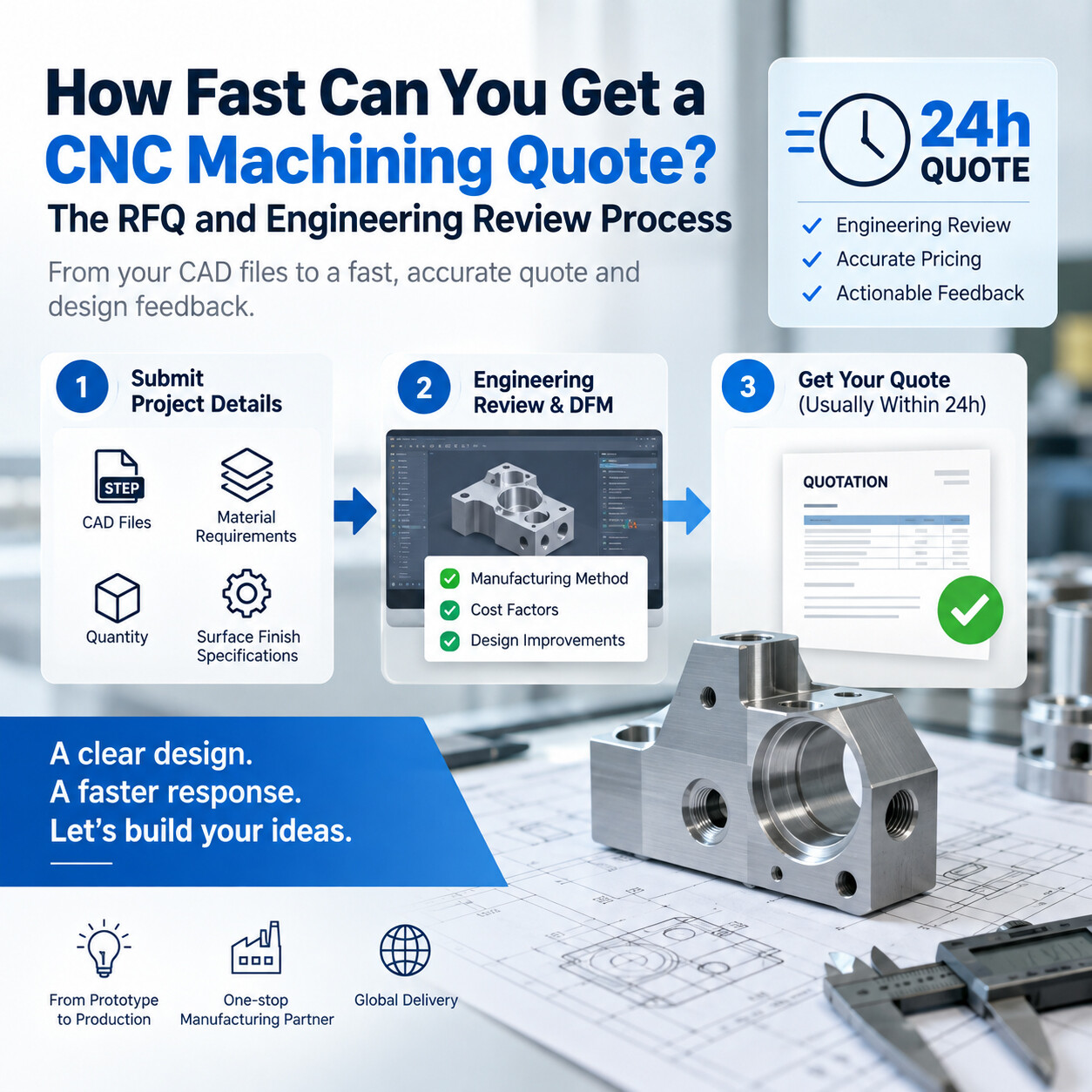
How Fast Can You Get a CNC Machining Quote?
Learn how submitting clear CAD files, material specs, and quantities enables our engineering team to provide fast, accurate manufacturing quotes and design feedback.
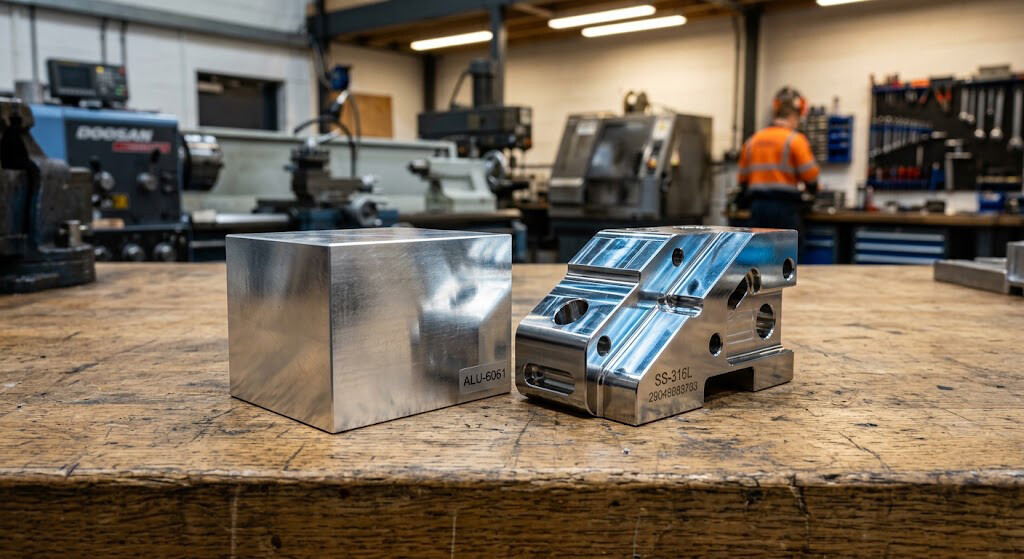
Aluminum vs. Stainless Steel: Choosing the Right Metal for Your Engineering Project
A comprehensive guide comparing aluminum and stainless steel across weight, cost, corrosion resistance, and common applications in robotics, medical, and industrial fields.
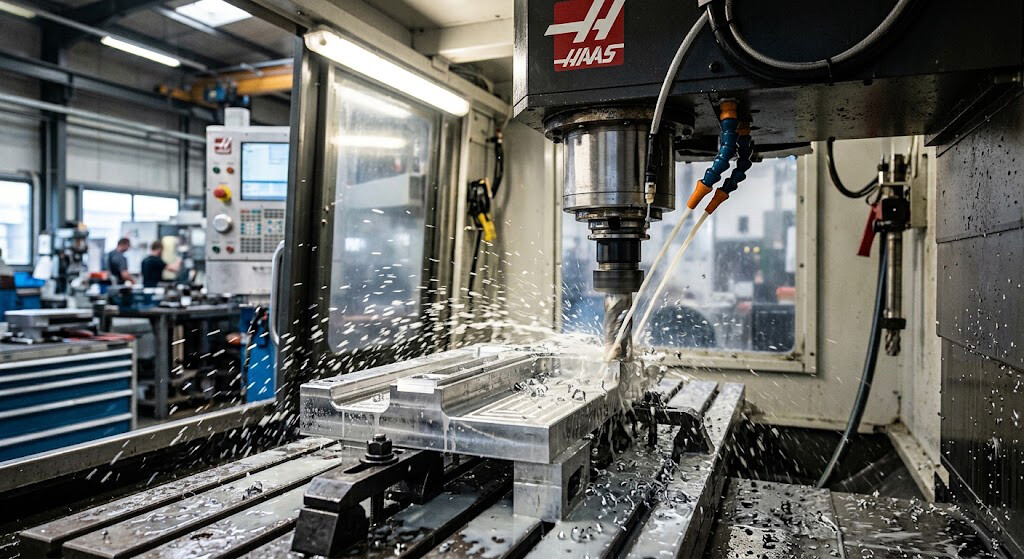
The Anatomy of Precision: How CNC Machining and Human Expertise Shape Modern Manufacturing
Explore how CNC machining transforms raw metal and plastic blocks into high-precision components through programming, cutting, and quality control—and why human engineering experience remains irreplaceable.
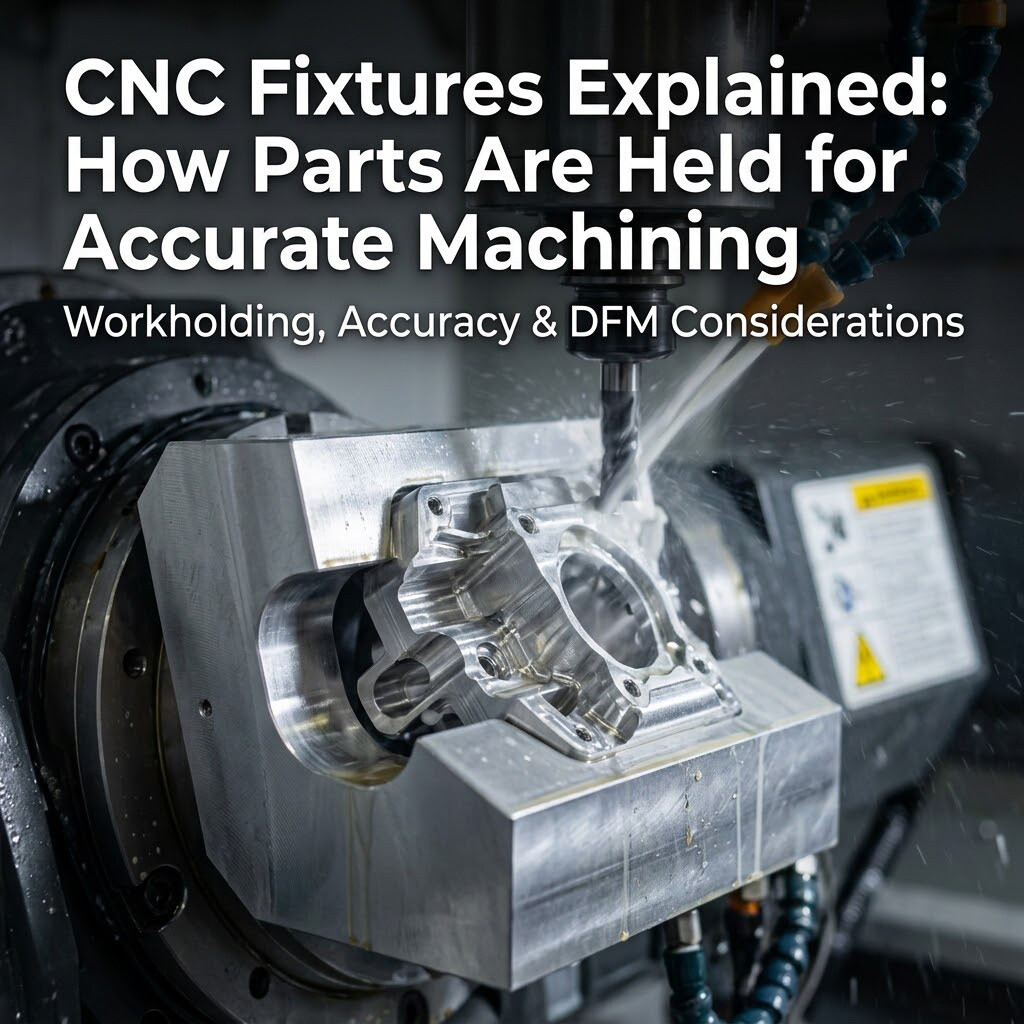
Guide 17: CNC Fixtures Explained: How Parts Are Held for Accurate and Efficient Machining
CNC fixtures play a critical role in machining accuracy, repeatability, surface quality, and production efficiency. This guide explains how CNC workholding works, the 3-2-1 locating principle, common fixture types, and how good DFM decisions can reduce setups, deformation, machining time, and overall production costs.
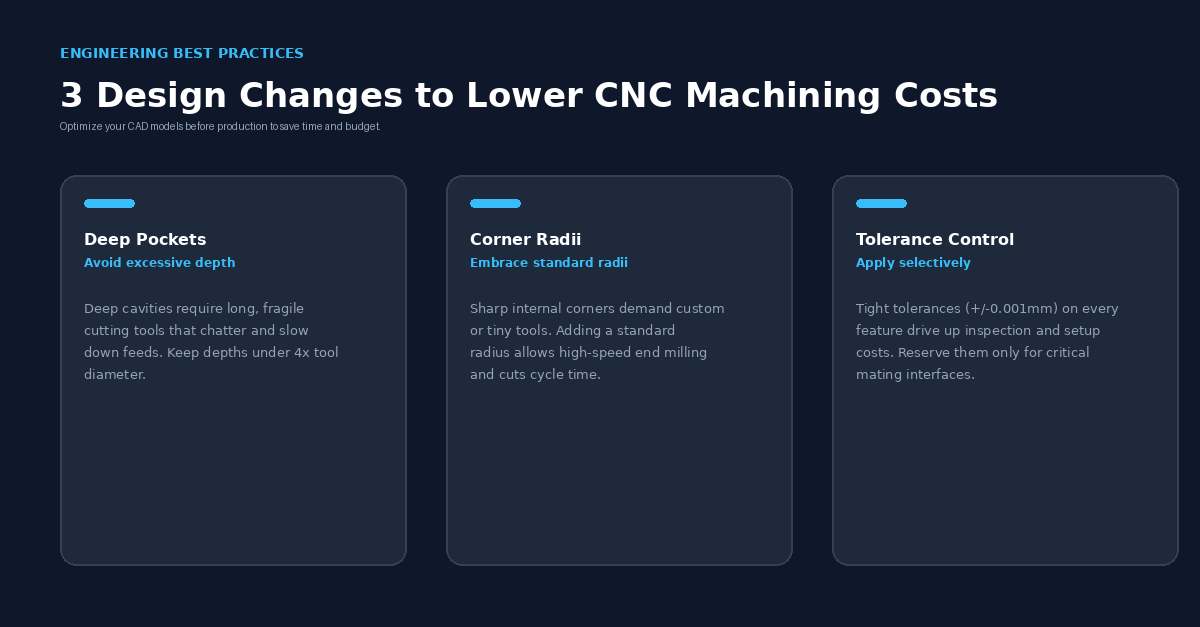
3 Design Changes That Can Reduce CNC Cost
Cut CNC costs using Design for Manufacturability (DFM) by keeping pockets shallow, using standard corner radii, and applying tight tolerances only where essential.
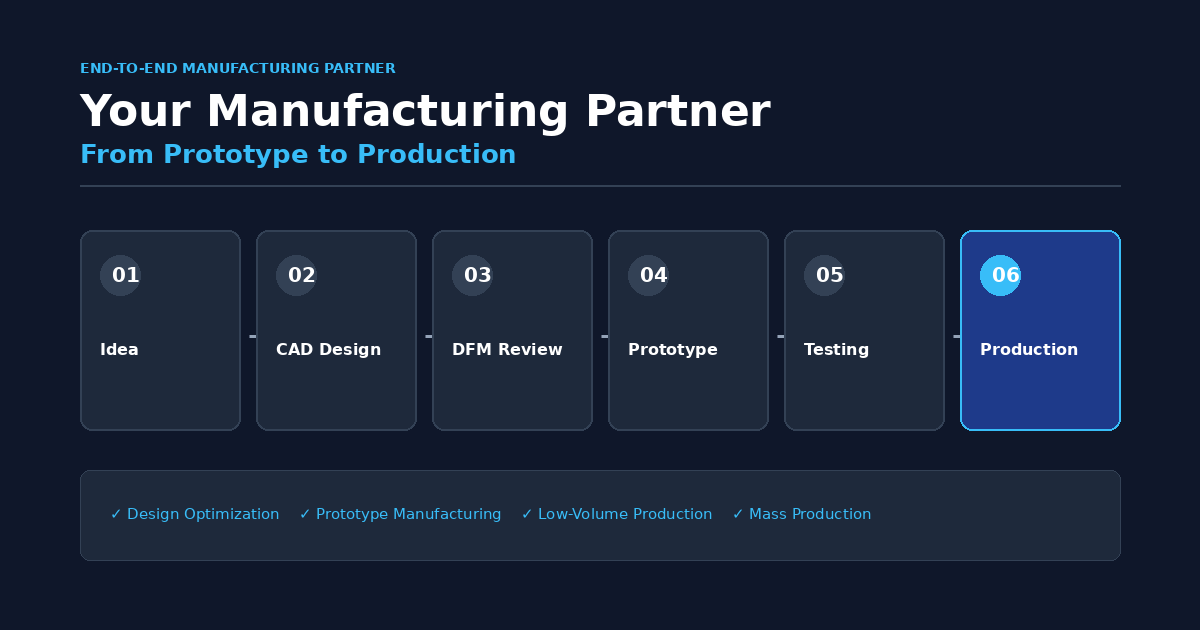
From Prototype to Production: Your End-to-End Manufacturing Partner
Bridge the prototype-to-production gap and accelerate time-to-market by using a single end-to-end partner for design, DFM, prototyping, testing, and mass production.
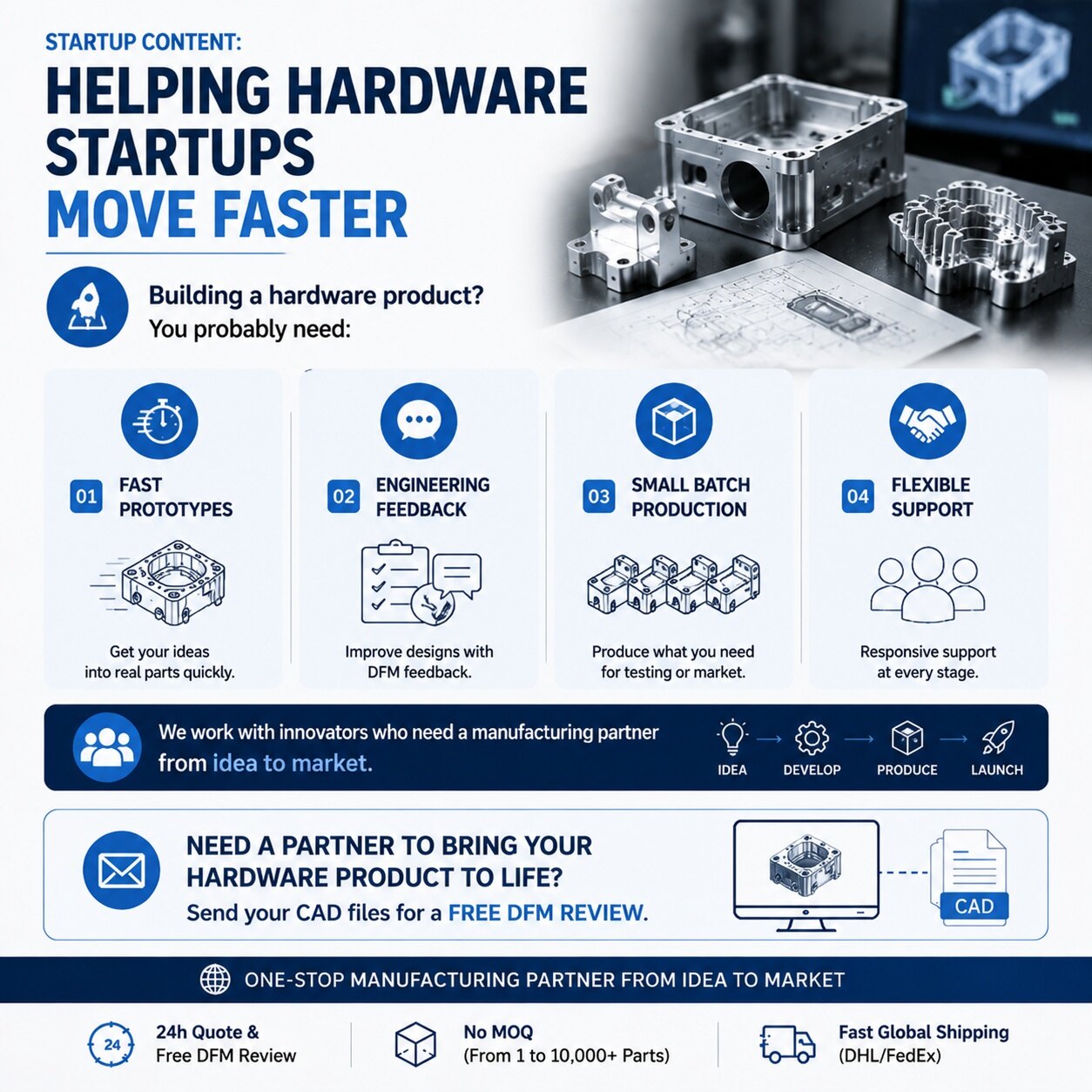
Helping Hardware Startups Move Faster: Your One-Stop Manufacturing Partner
Accelerate your hardware product journey from concept to market with rapid prototyping, expert DFM feedback, flexible small-batch production, and reliable global shipping. Discover how our comprehensive manufacturing solutions bring your CAD designs to life efficiently.
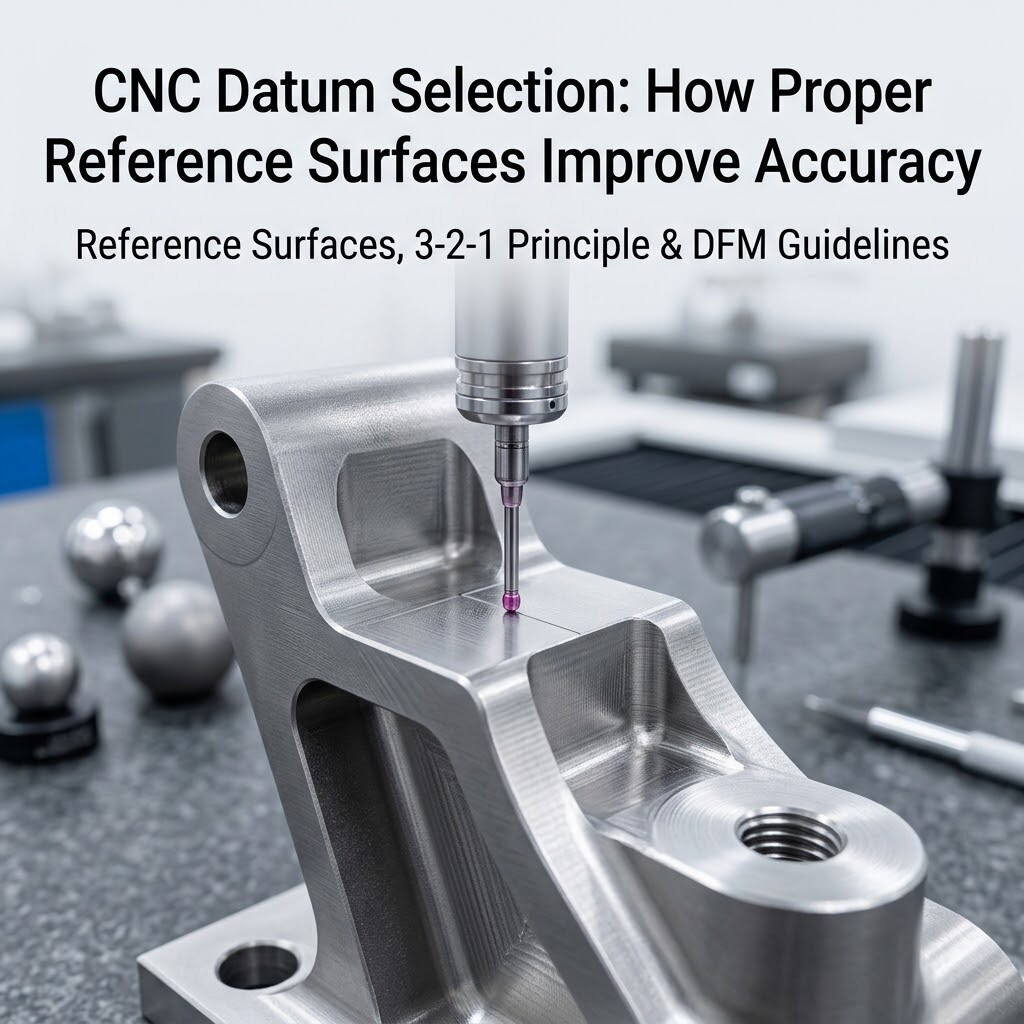
Guide 16: CNC Datum Selection: How Proper Reference Surfaces Improve Accuracy
This guide covers CNC datum selection, the 3-2-1 locating principle, and DFM best practices to eliminate tolerance stack-up and enhance machining accuracy.
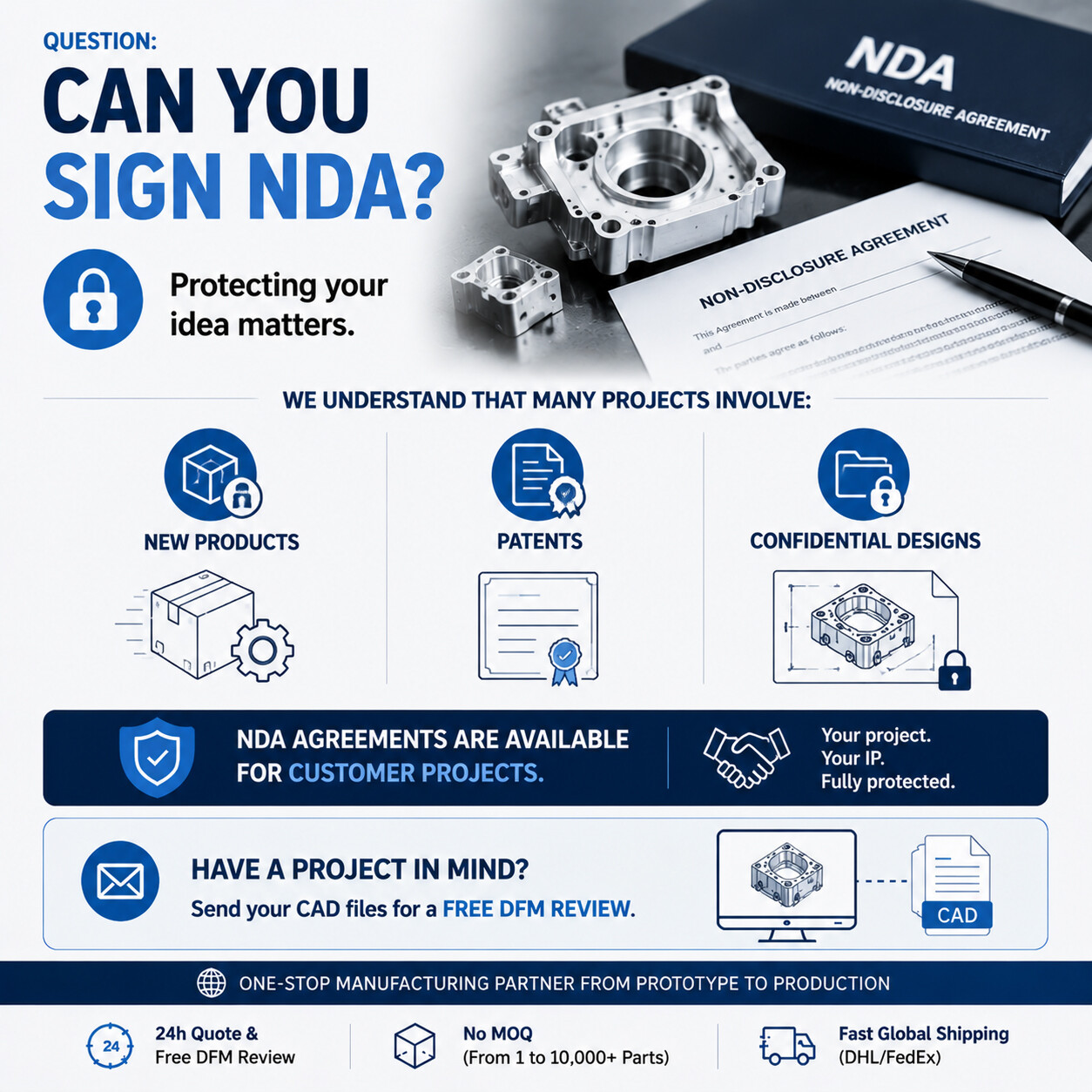
Can You Sign an NDA? Protecting Your Ideas and Intellectual Property
This article explains our commitment to intellectual property security, detailing how we protect customer projects through standard non-disclosure agreements, flexible manufacturing, and rapid global delivery.
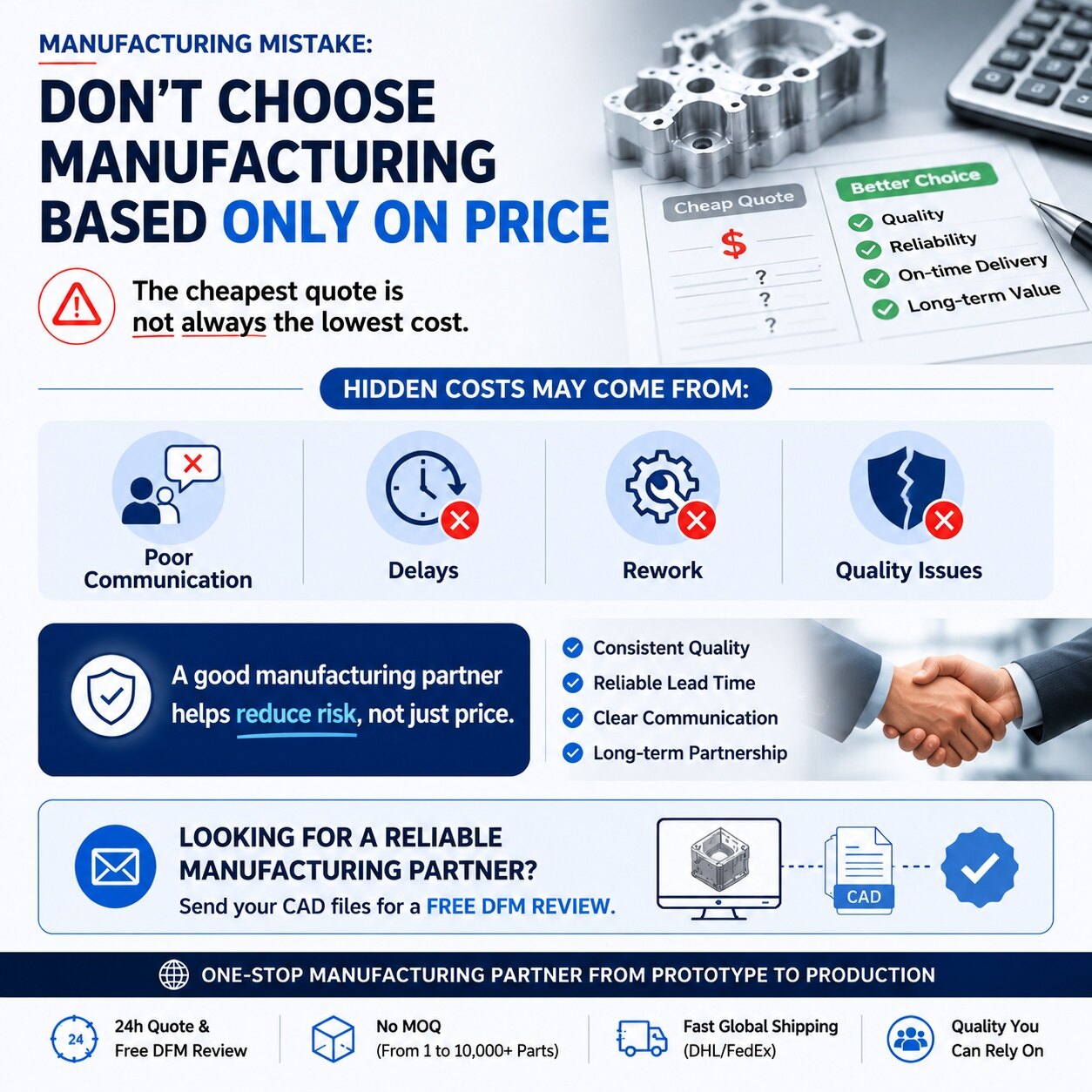
Manufacturing Mistake: Why You Shouldn't Choose a Supplier Based Only on Price
When sourcing manufacturing services, choosing the lowest bidder can be tempting. However, the cheapest quote often masks critical hidden expenses like poor communication, production delays, and costly rework. This article explores why prioritizing risk reduction over upfront price is essential for long-term manufacturing success.
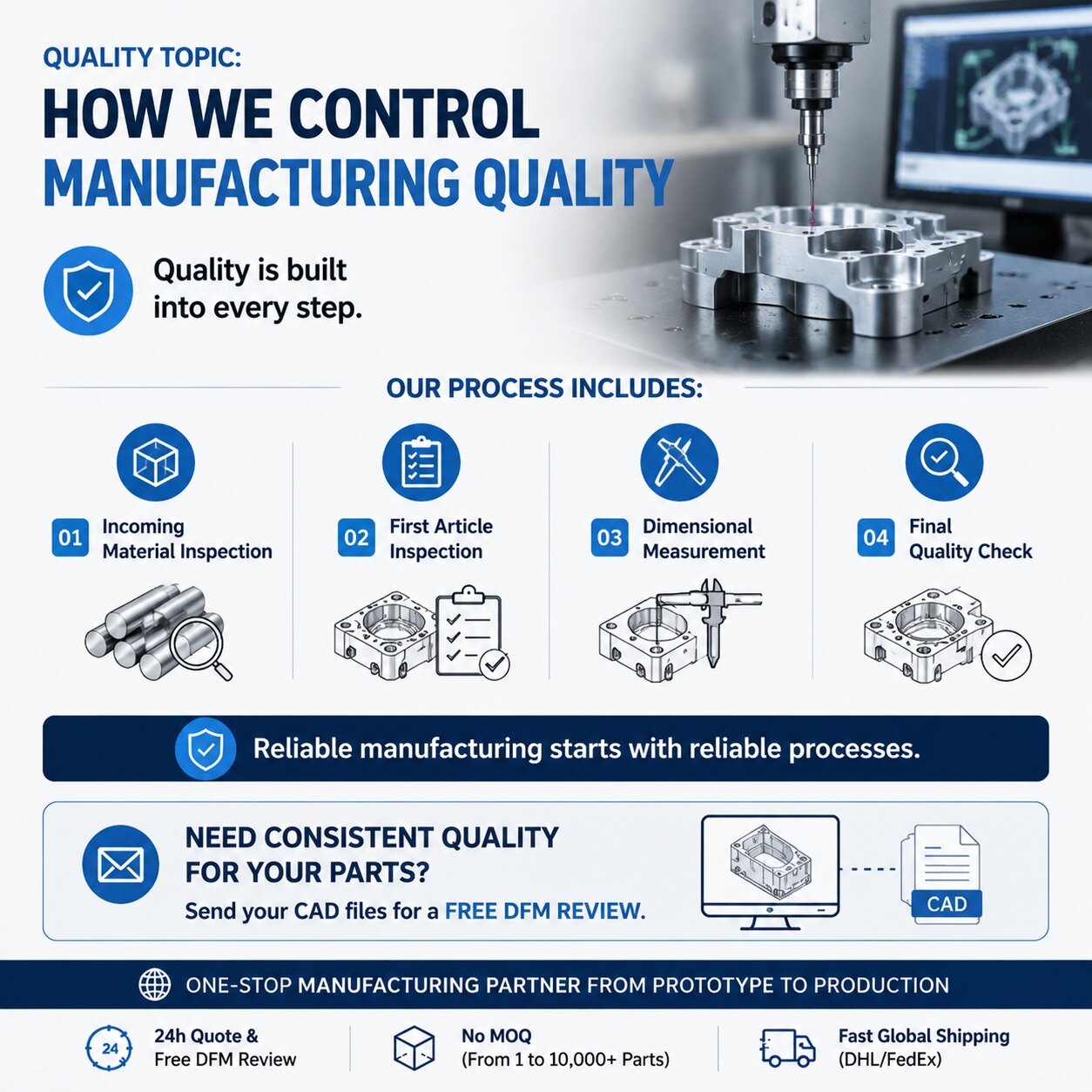
How We Control Manufacturing Quality
Discover how our strict 4-step quality control process—featuring incoming material inspection, first article inspection, dimensional measurement, and final quality checks—ensures reliable custom parts from prototype to production.
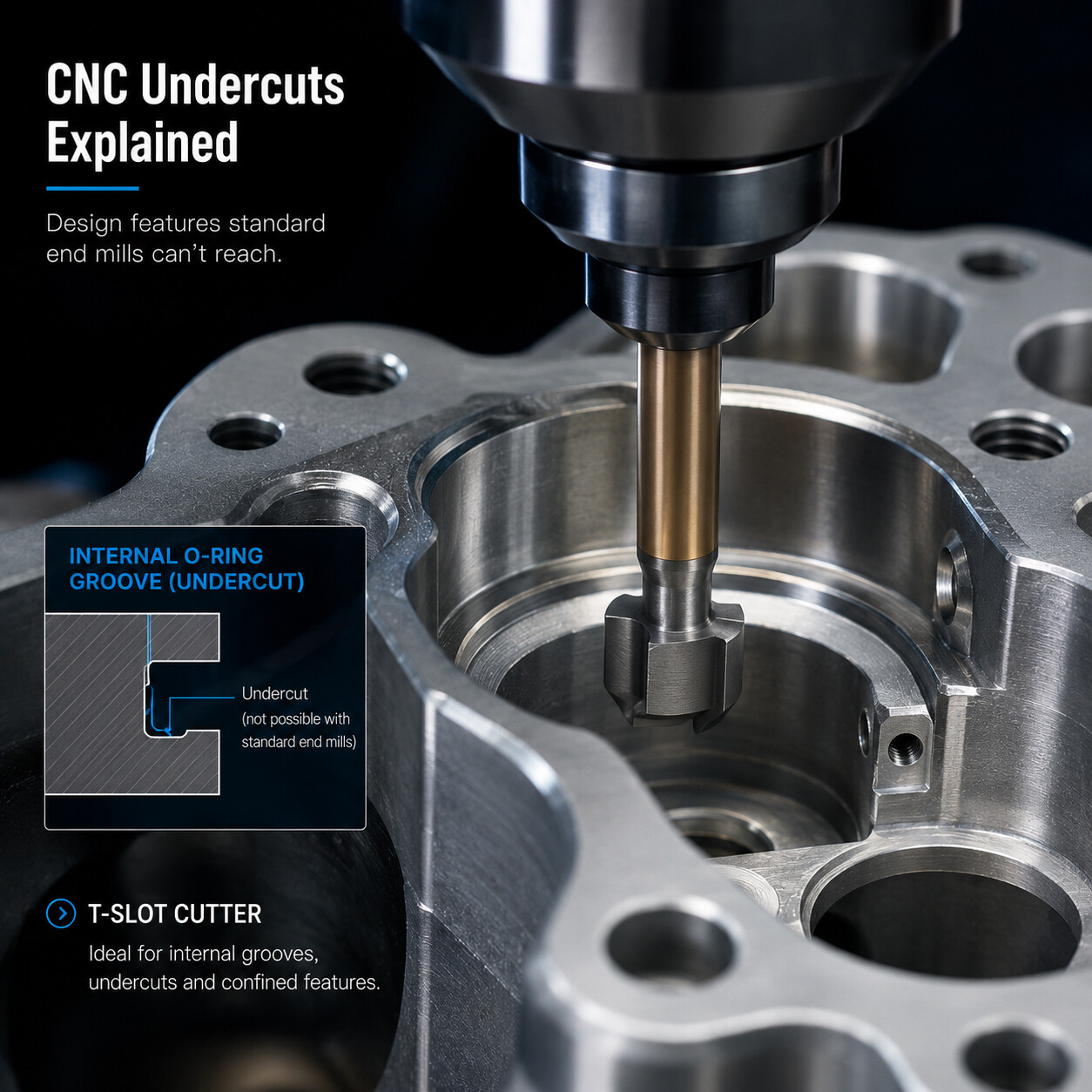
Guide 15: CNC Undercuts Explained: How to Design Features Standard End Mills Can't Reach
This DFM guide explains CNC undercuts—features that standard vertical end mills cannot reach—and outlines specialized cutting tools such as T-slot, dovetail, and lollipop cutters. It details functional applications like O-ring seals and retaining ring channels, while providing essential design rules to optimize manufacturability and control manufacturing costs.
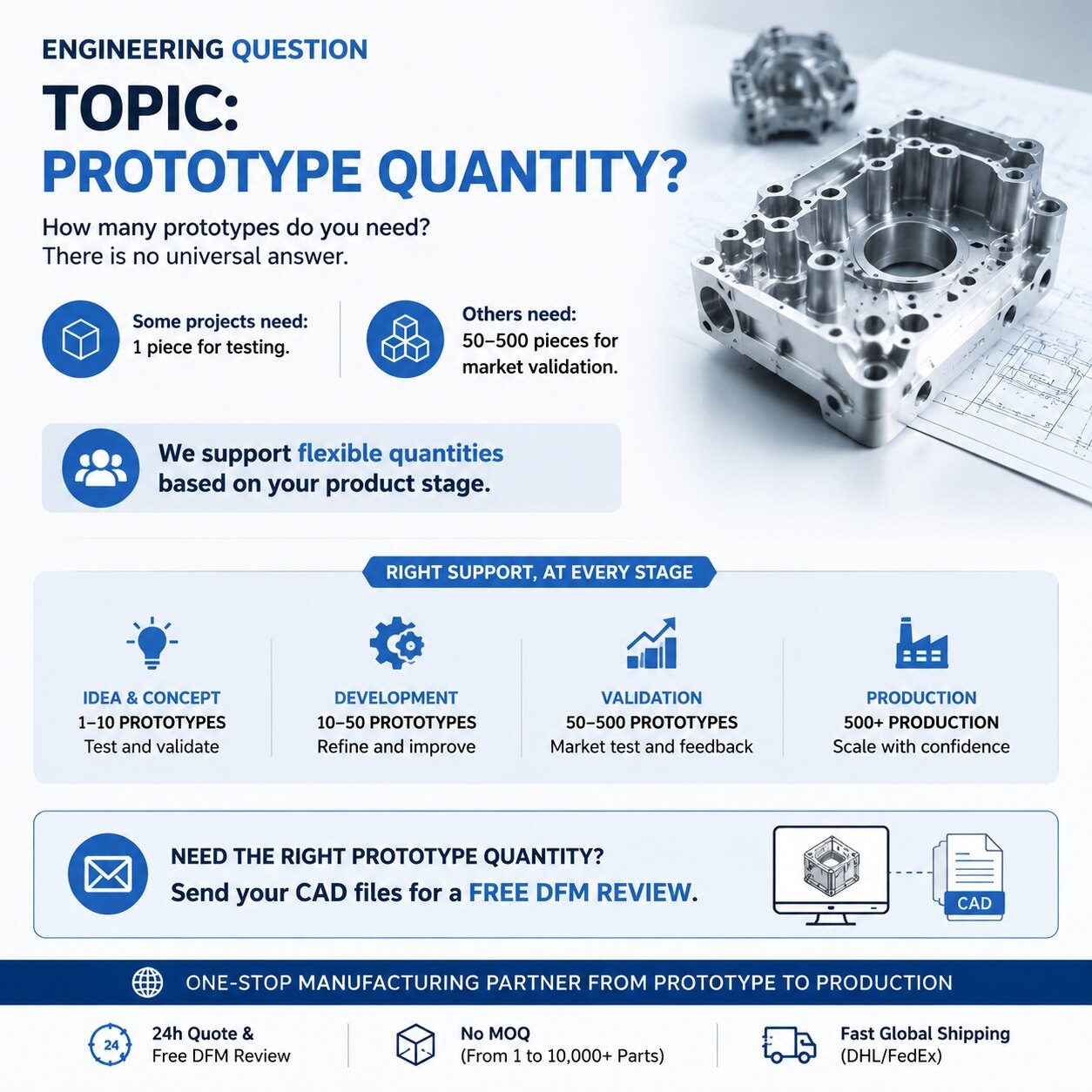
How Many Prototypes Do You Need? Navigating Quantities Across Product Stages
This guide explores how to choose the right prototype quantity across different product development stages, from initial concept testing to market validation and full-scale production.
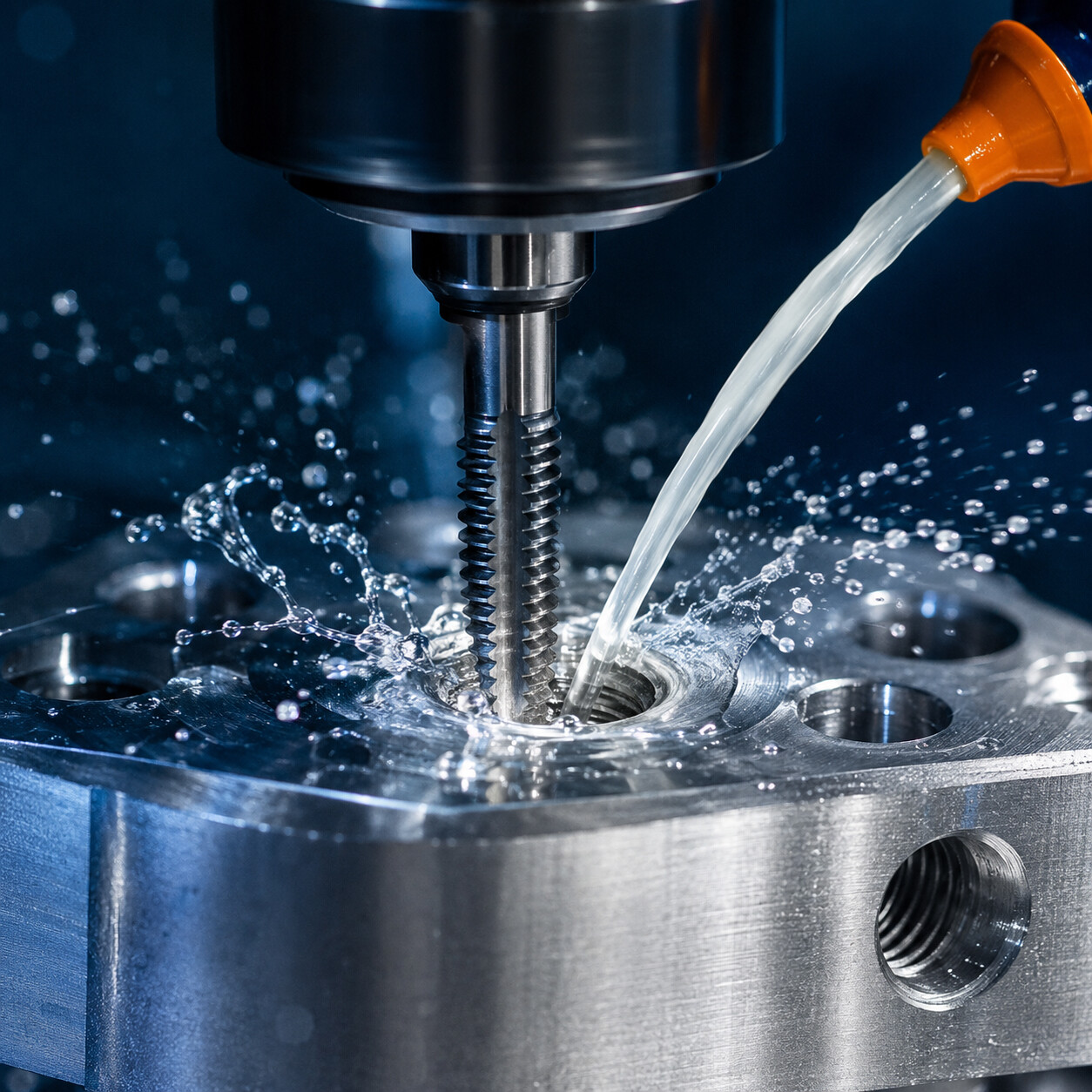
Guide 14: CNC Threads Explained: Tapped Holes, Thread Milling, and Thread Inserts
This CNC DFM guide compares the three core threading methods—Tapped Holes, Thread Milling, and Thread Inserts—breaking down their costs, advantages, and ideal applications. It provides essential design rules, including optimal thread depth (1.0×–1.5× diameter), hole strategies, and common mistakes to avoid for better manufacturability and lower tooling wear.
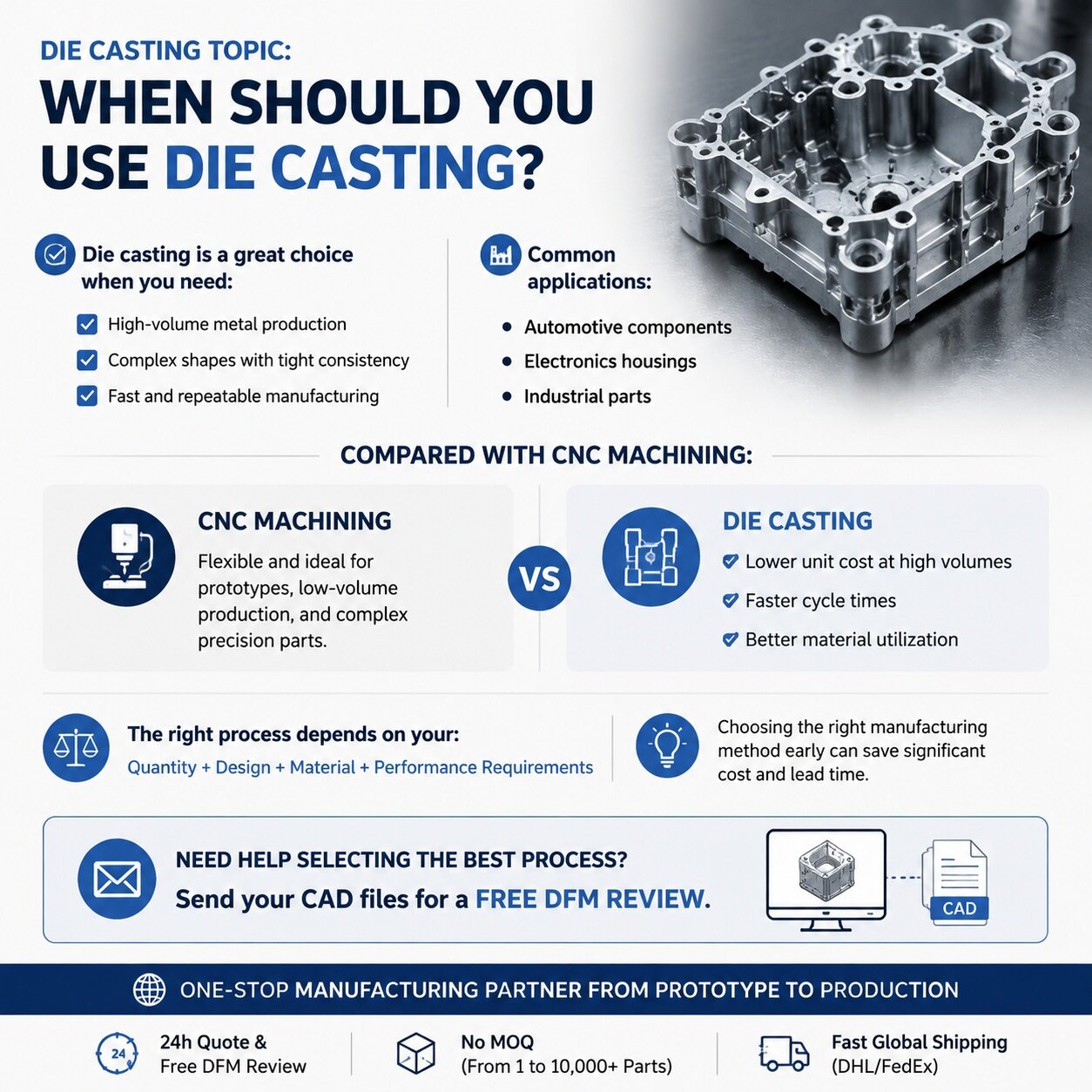
When Should You Use Die Casting? A Comprehensive Guide to Metal Manufacturing
Wondering whether to choose die casting or CNC machining? This article breaks down the core benefits, common applications, and key comparisons to help you choose the right manufacturing process based on your volume, design, and budget requirements.
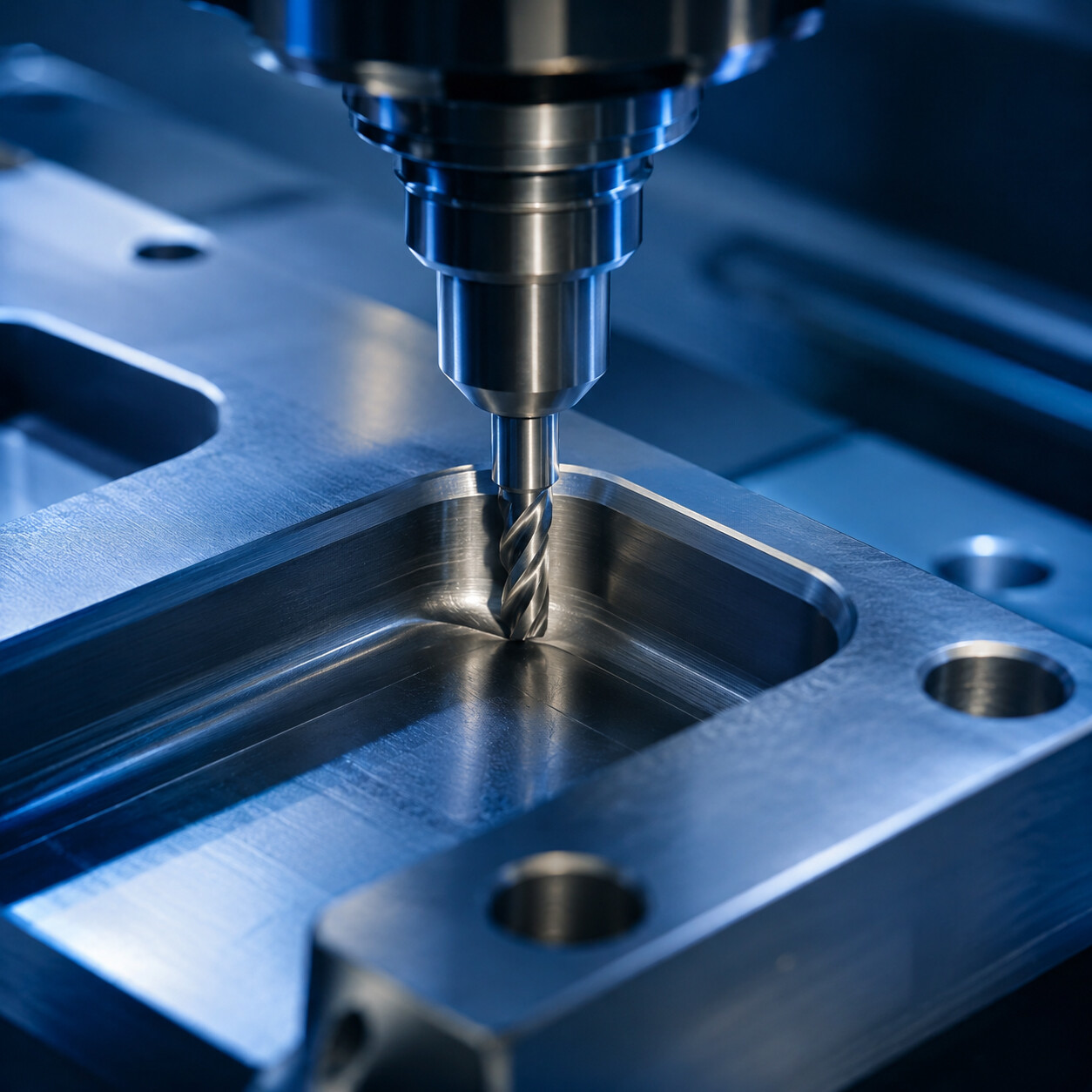
Guide 13: CNC Fillets and Chamfers: When to Use Each Feature
Fillets and chamfers play vastly different roles in CNC machining, directly impacting tool selection, cycle time, stress distribution, and overall production cost. This comprehensive DFM guide explores when to specify rounded fillets for dynamic strength and fluid flow, versus when to use beveled chamfers for fast deburring, assembly alignment, and cost-effective manufacturing.
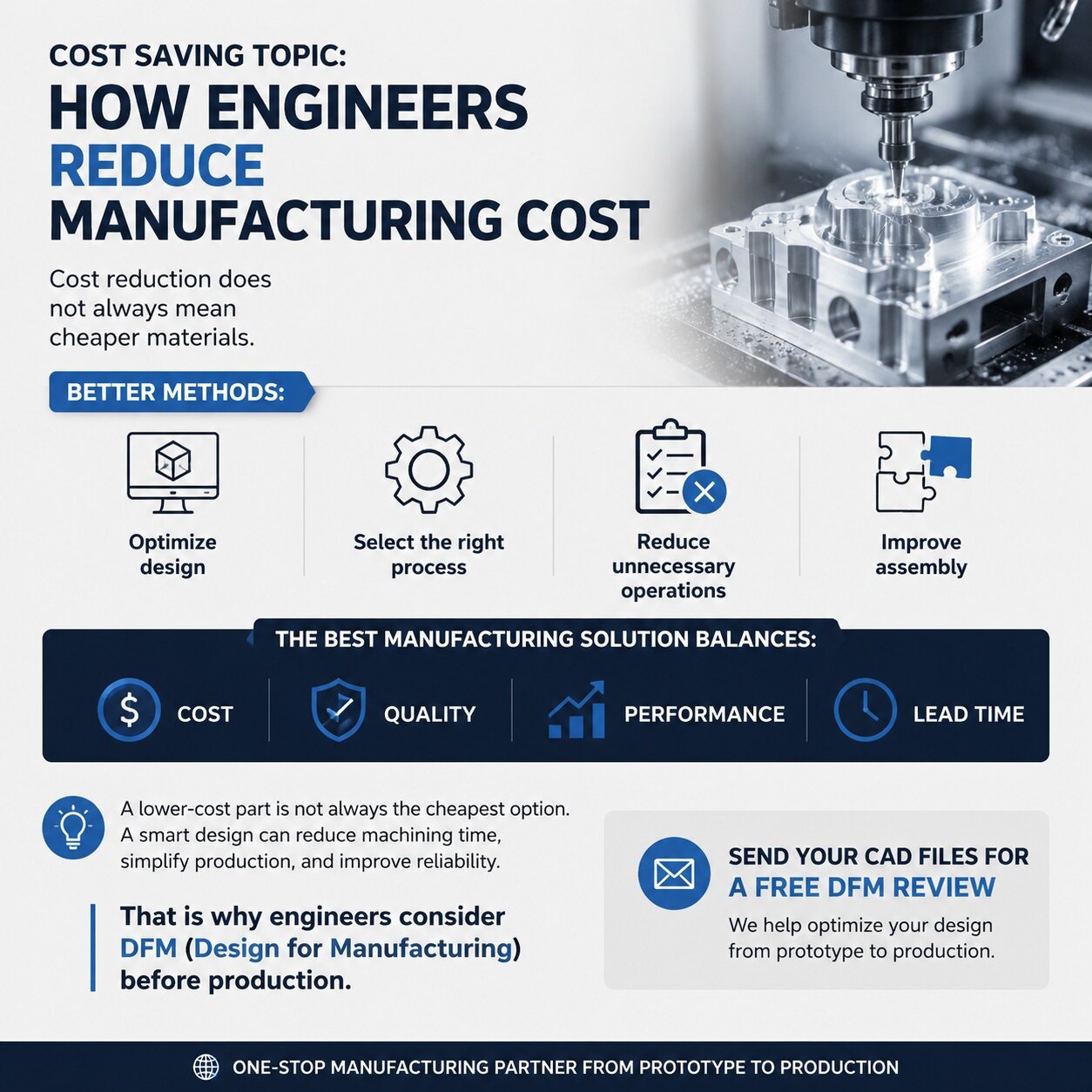
How Engineers Reduce Manufacturing Cost
Cost reduction isn't always about using cheaper materials. Smart engineers focus on Design for Manufacturing (DFM) to optimize designs, streamline operations, and balance cost, quality, performance, and lead time before production starts.
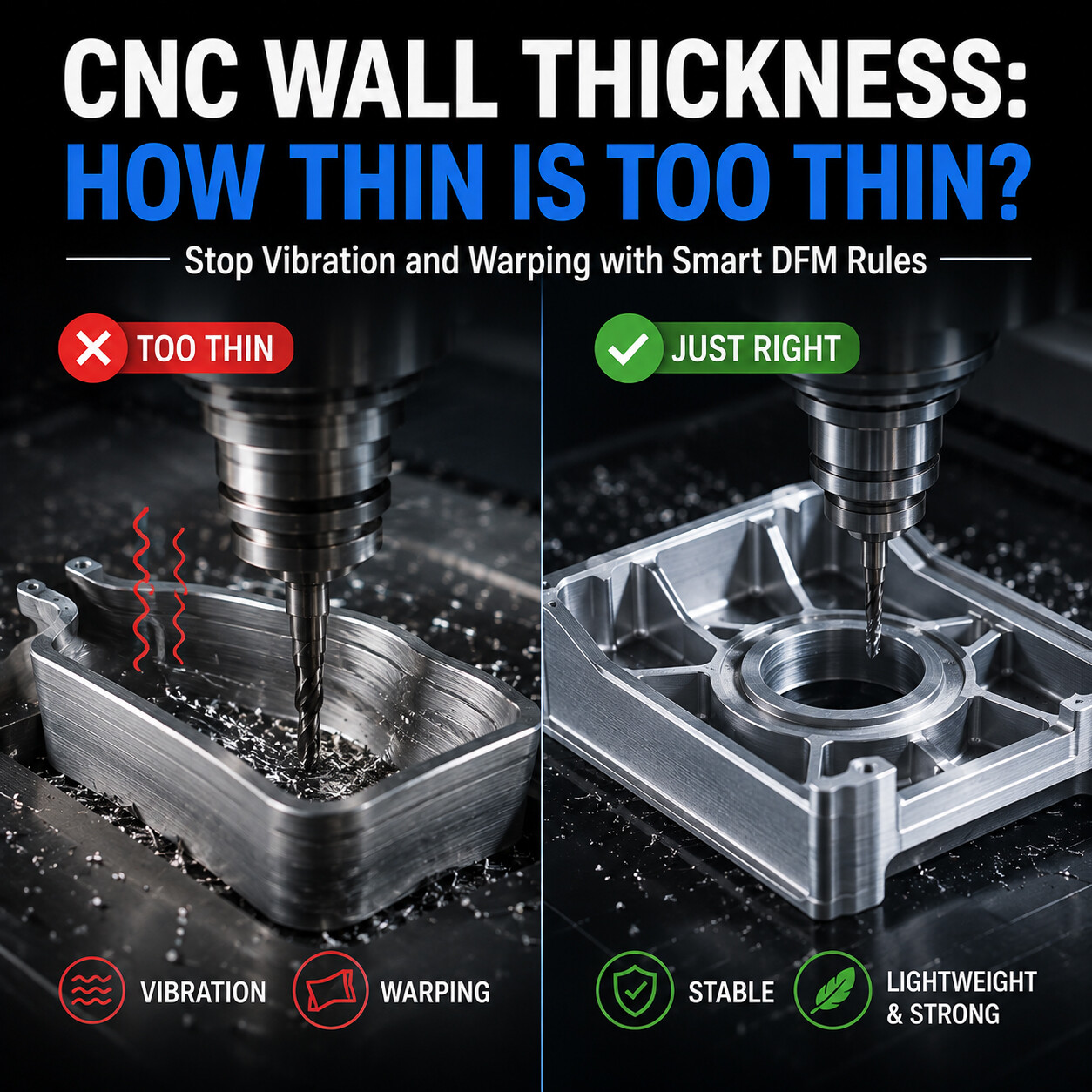
Guide 12: CNC Wall Thickness Guidelines
Designing thin walls can significantly lower part weight, but overly thin features often lead to tool chatter, part deflection, and thermal distortion during CNC machining. This DFM guide outlines recommended minimum wall thickness guidelines for aluminum, steel, and engineering plastics, while sharing smart design alternatives like reinforcing ribs to preserve structural integrity.
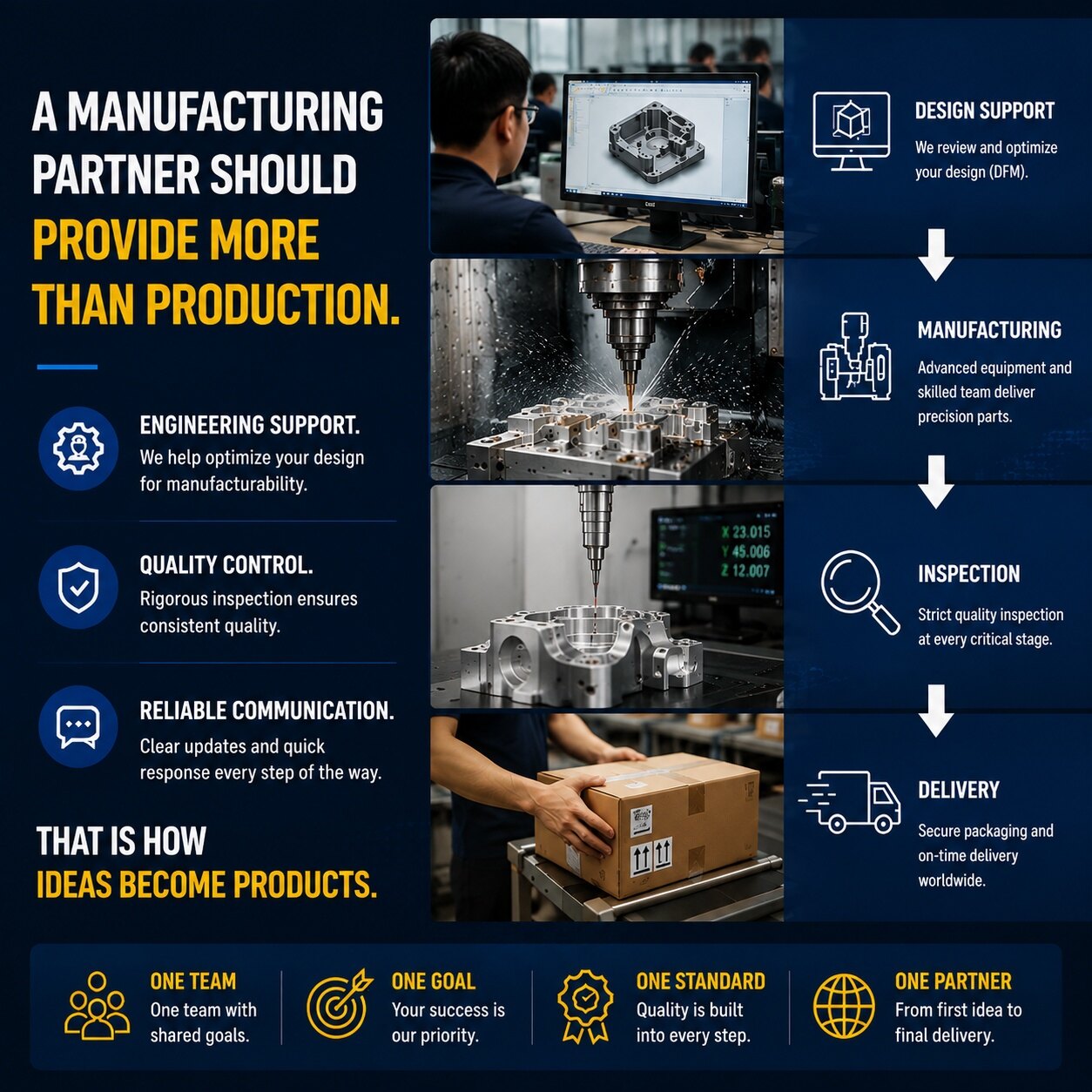
A True Manufacturing Partner Provides More Than Just Production
Selecting a manufacturing partner goes beyond comparing unit prices. Discover how end-to-end engineering support, DFM optimization, strict quality control, and global logistics protect your project from design flaws and bring complex hardware to life seamlessly.
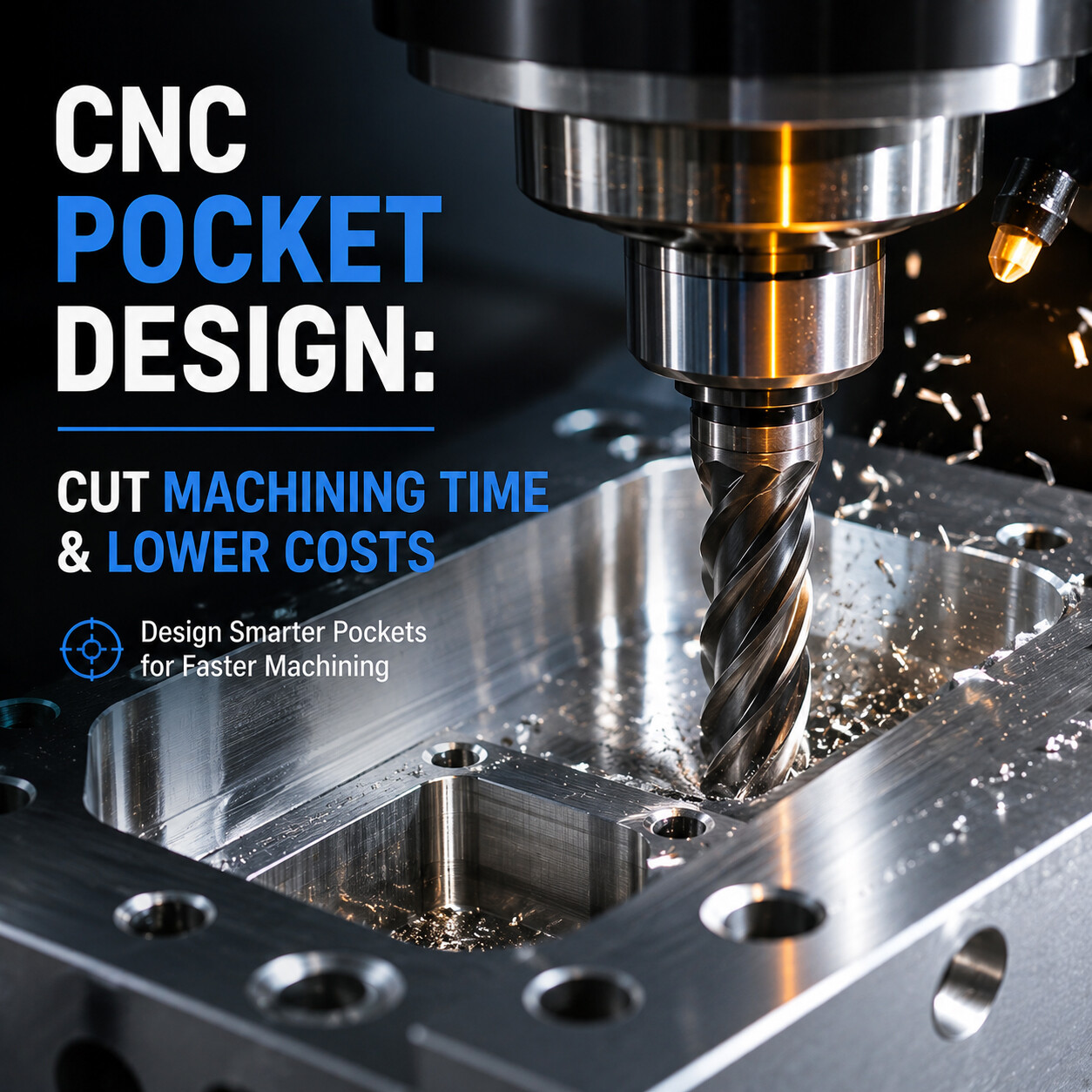
Guide 11: CNC Pocket Design Best Practices
This guide outlines DFM rules for CNC pocket design to reduce machining time and production costs. It provides practical tips on optimizing pocket depth, clearance, and internal radii while preserving part performance.
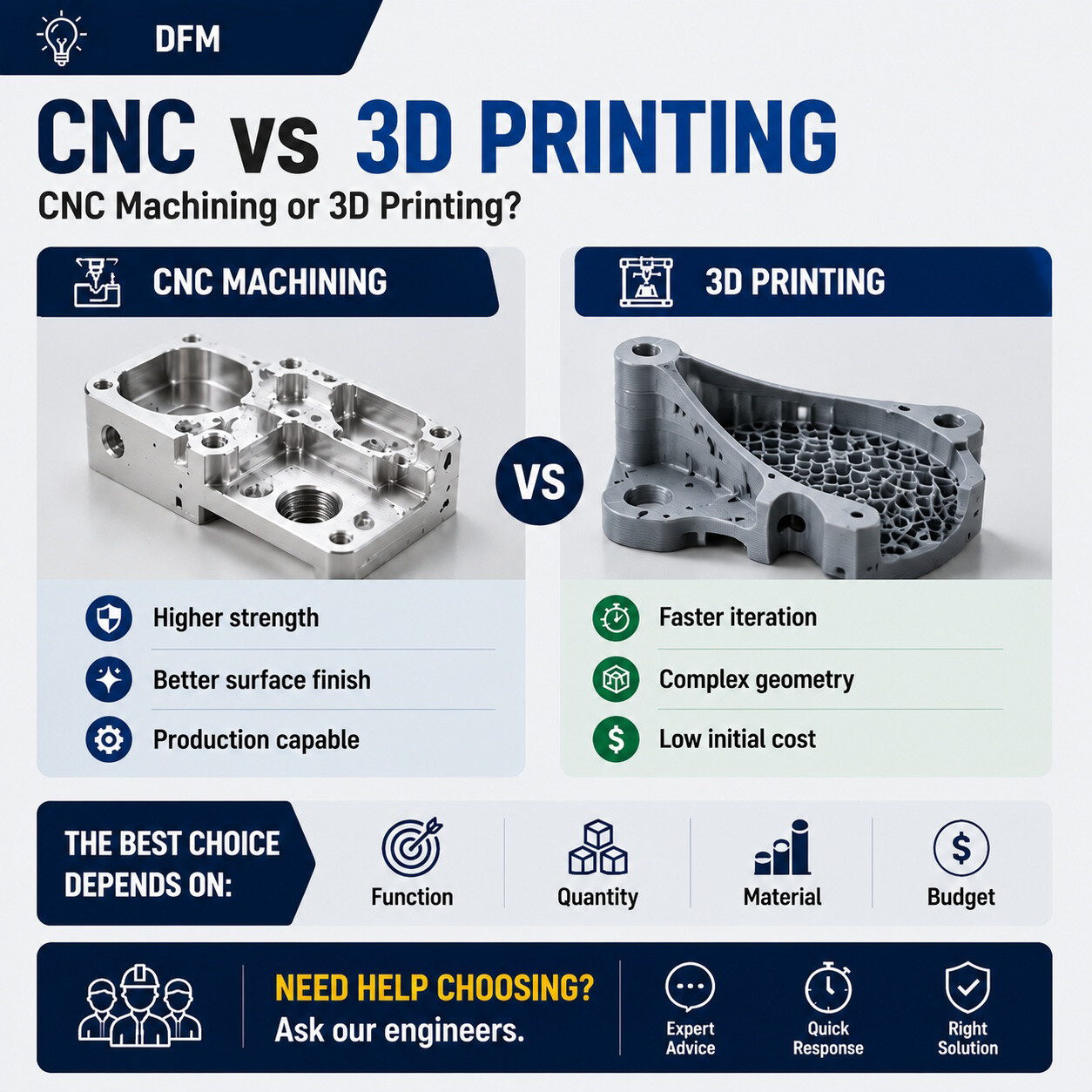
CNC vs 3D Printing
CNC Machining or 3D Printing?
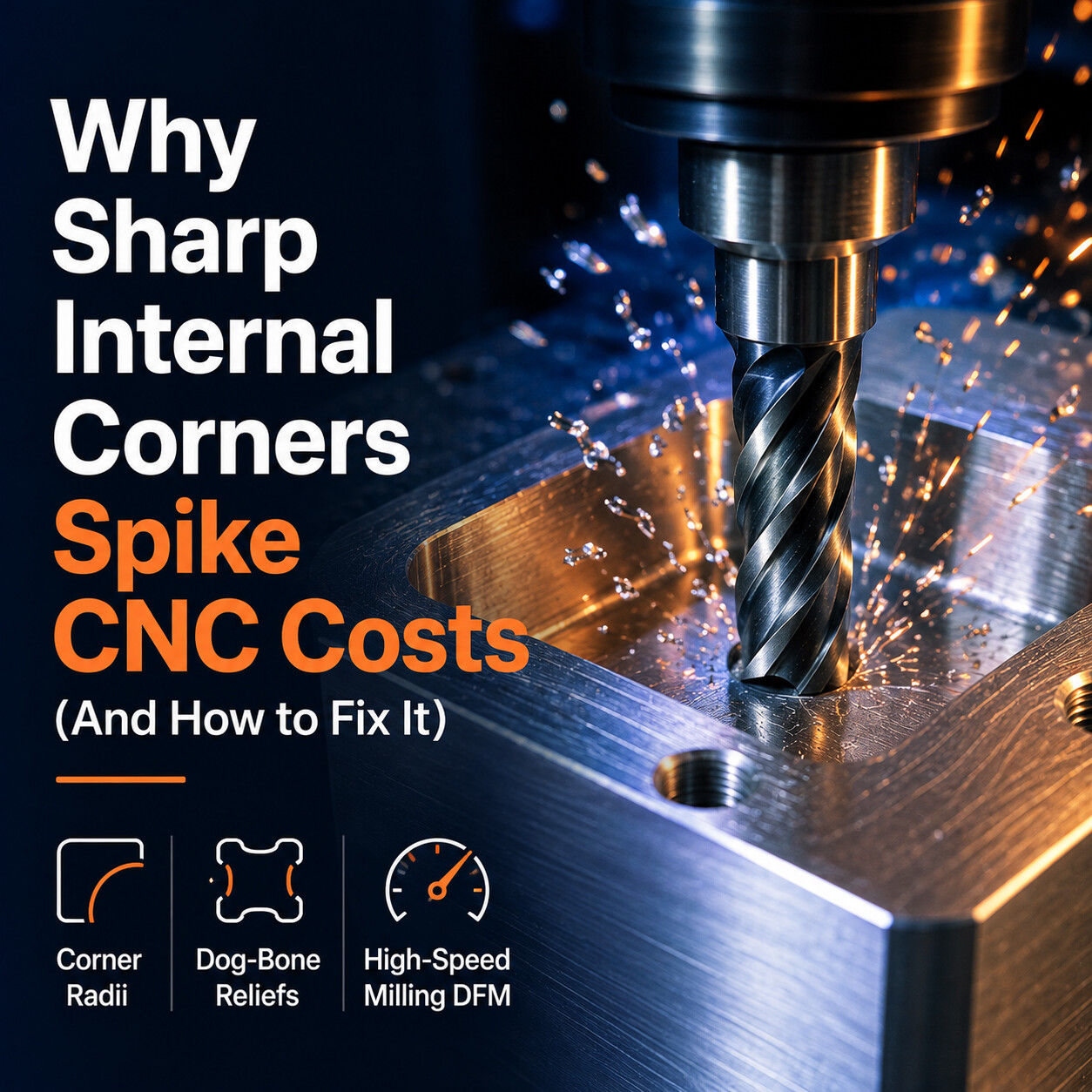
Guide 10: CNC Corner Radius vs. Sharp Internal Corners: What Designers Need to Know
Specifying sharp internal corners in CNC designs is impossible with standard rotating cutters. Achieving them requires slow micro-tools, EDM, or hand-finishing—significantly increasing costs and lead times.
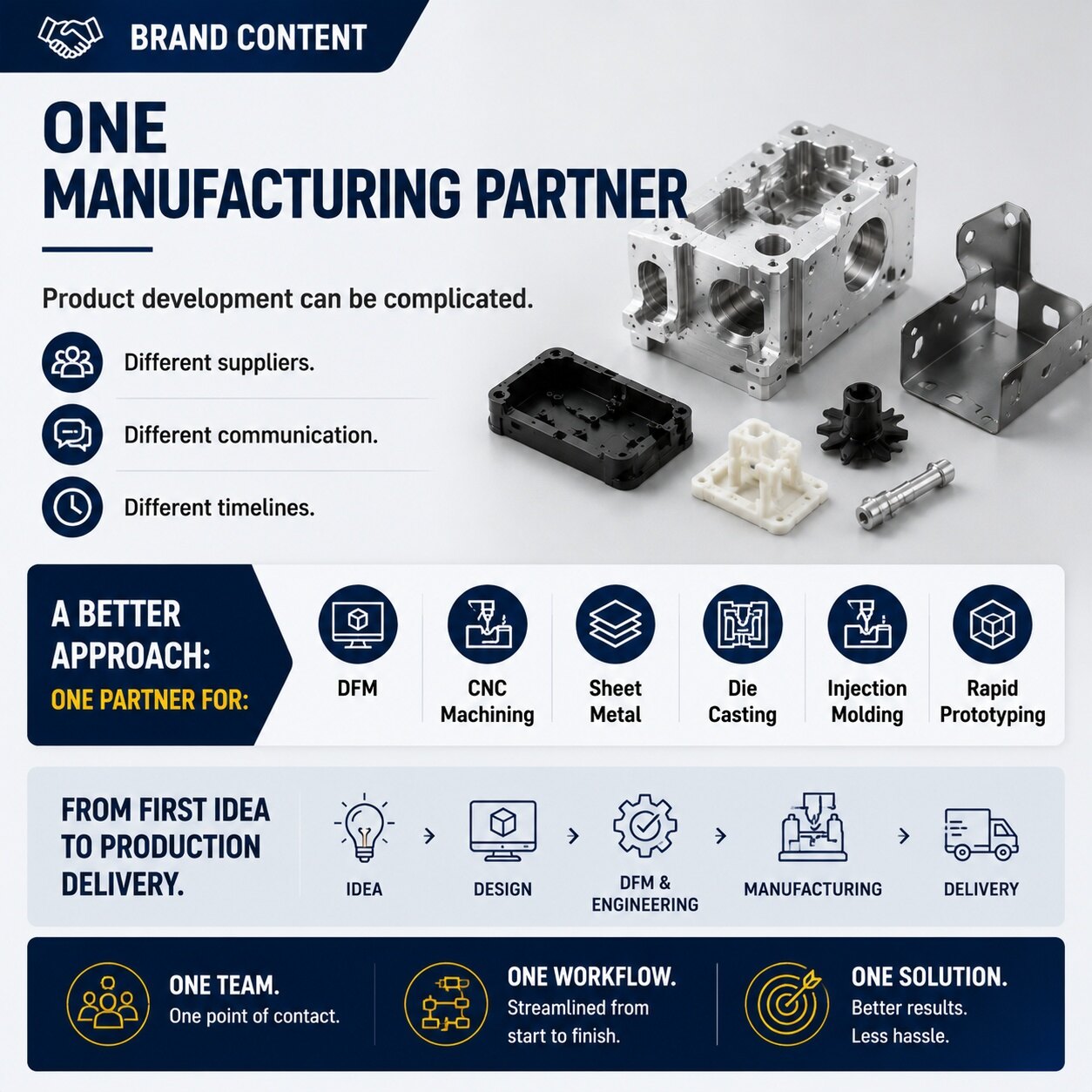
One Manufacturing Partner
From first idea to production delivery. One team. One workflow. One solution.
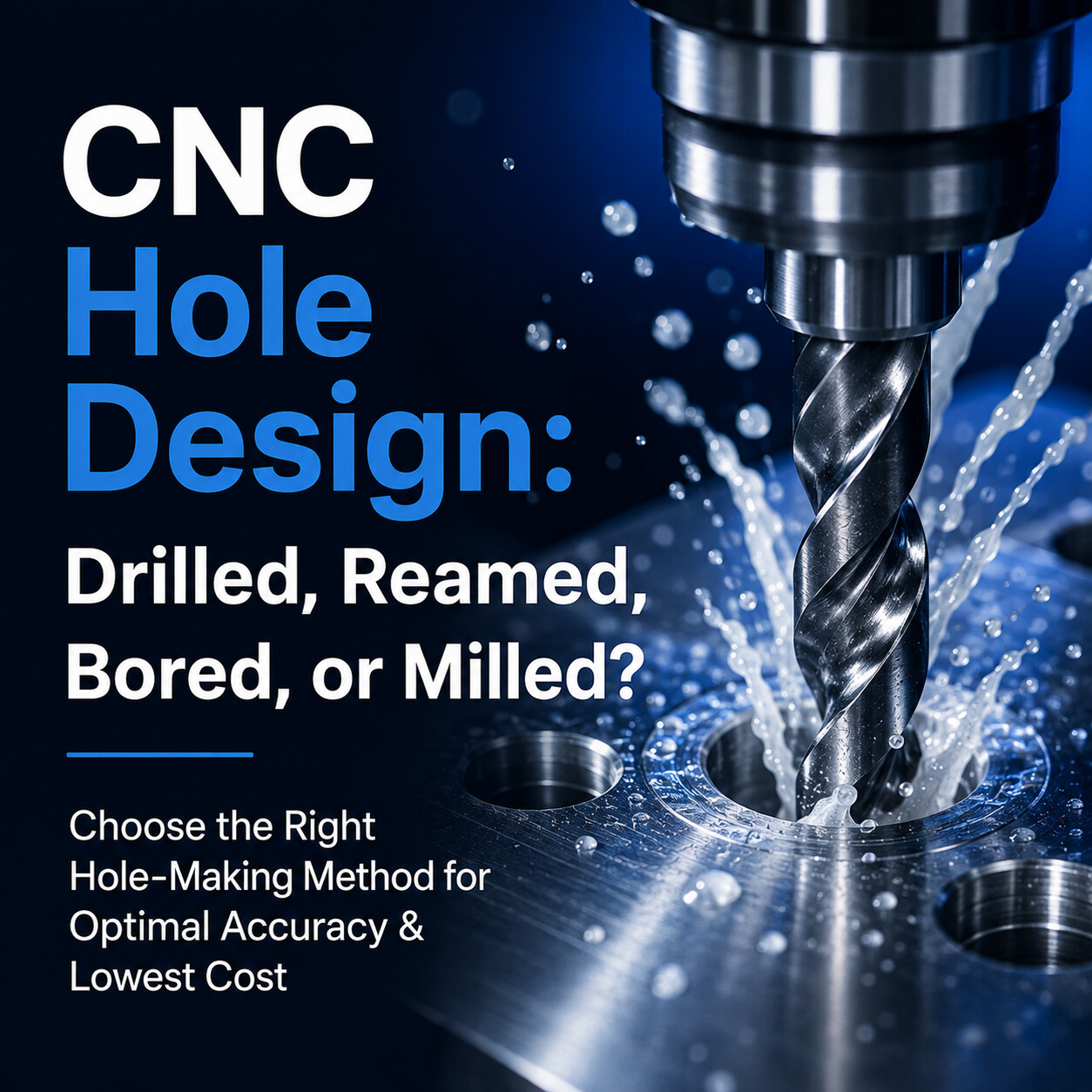
Guide 09: CNC Hole Design Guide: Drilled, Reamed, Bored, or Milled?
Hole-making is frequently oversimplified in CNC design. Drilling, reaming, boring, and circular milling each deliver distinct tolerances, surface finishes, concentricity levels, and cost structures. Selecting the right process ensures functional precision without blowing your budget.
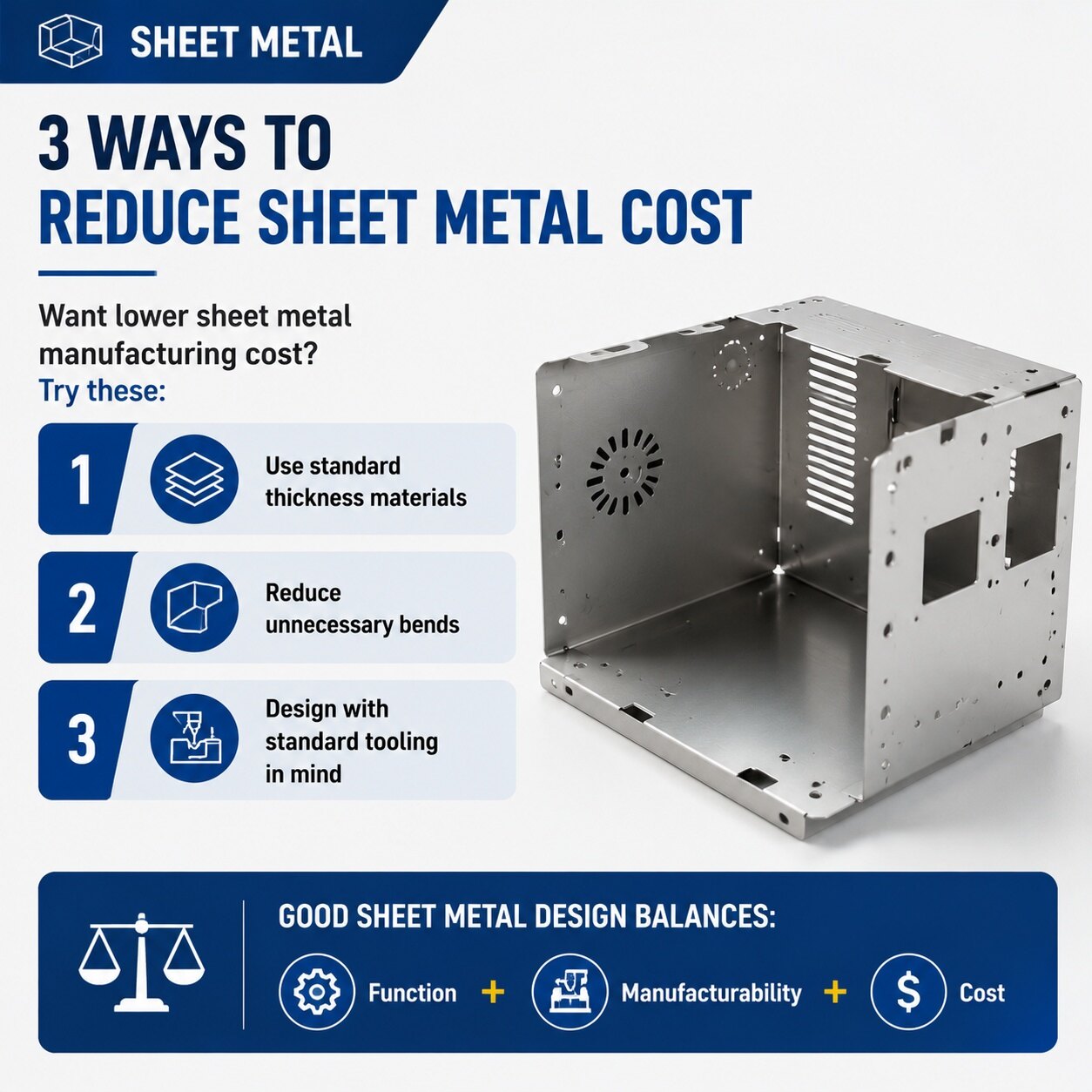
3 Ways to Reduce Sheet Metal Cost
Good sheet metal design balances: Function +Manufacturability + Cost
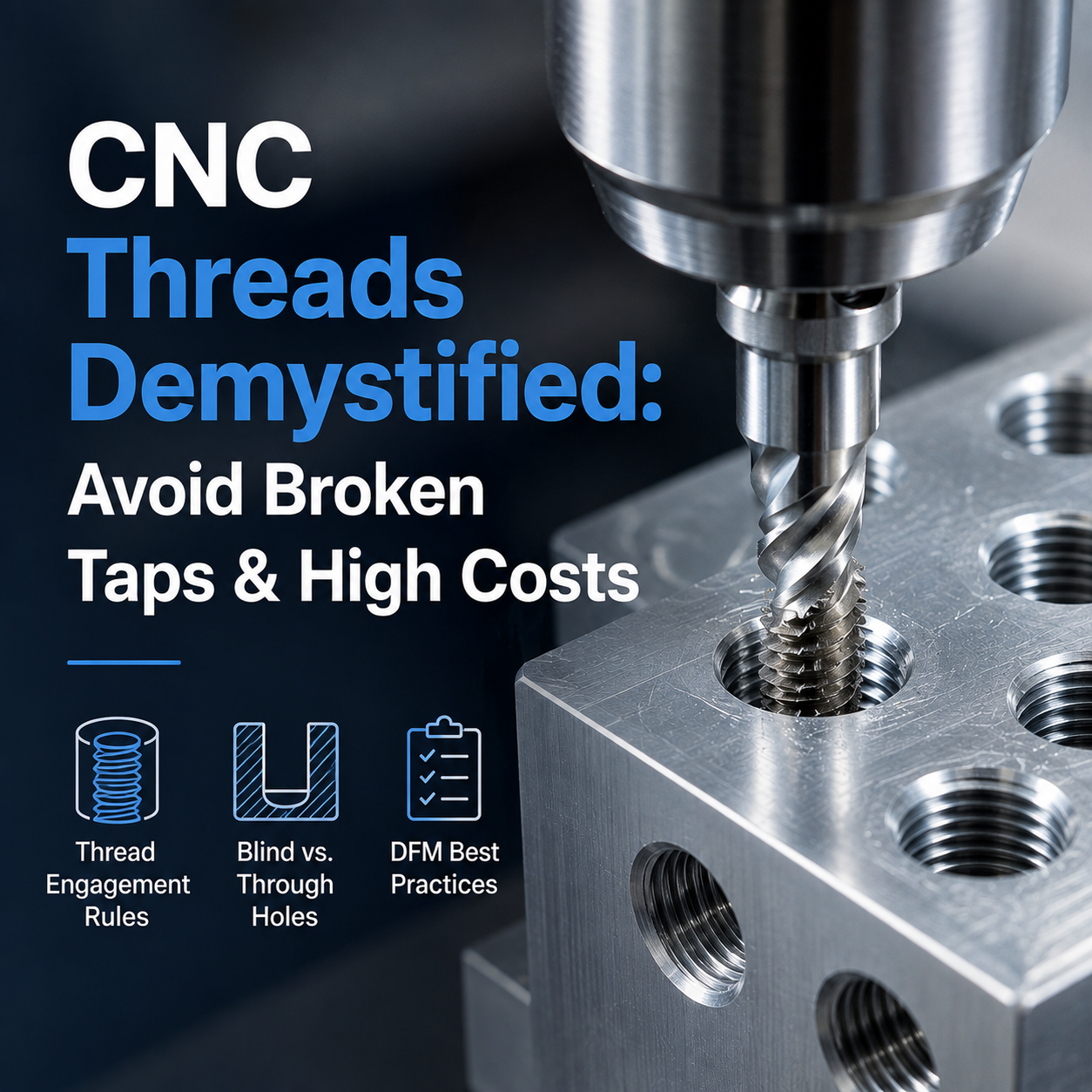
Guide 08: CNC Threads Explained: Everything You Need to Know Before Designing Threaded Holes
Threaded features are critical yet frequently mismanaged in CNC design. Poor hole depth, non-standard sizing, or improper placement inflate machining times, complicate inspection, and cause assembly failures. Mastering thread design standards prevents costly production bottlenecks.
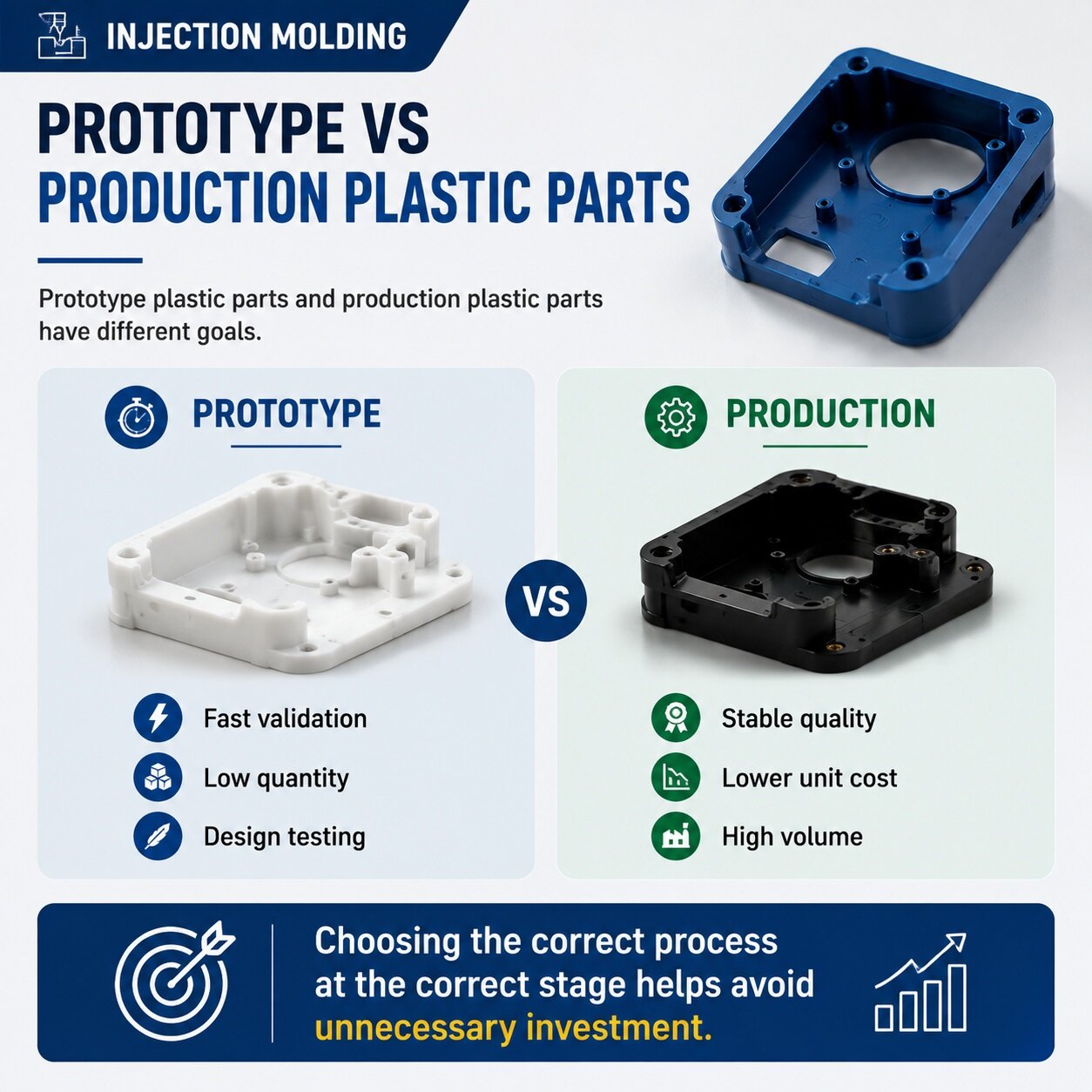
Prototype vs Production Plastic Parts
Prototype plastic parts and production plastic parts have different goals.
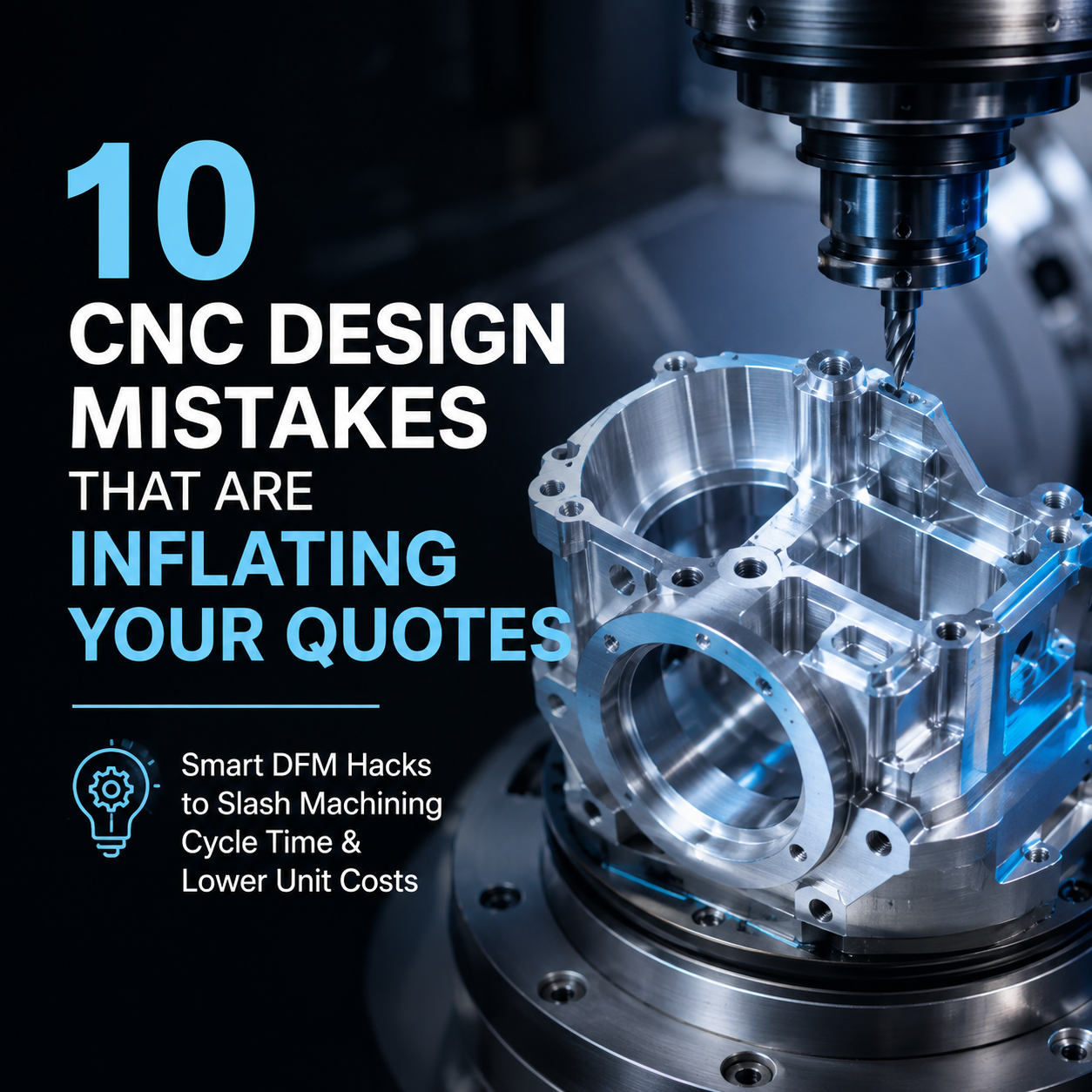
Guide 07: Design for CNC Machining: 10 Mistakes That Increase Cost
Manufacturability impacts CNC production expenses far more than material choice alone. By avoiding 10 common design flaws through Design for Manufacturing (DFM) principles, you can streamline production, elevate part quality, and significantly lower your overall machining quotes.
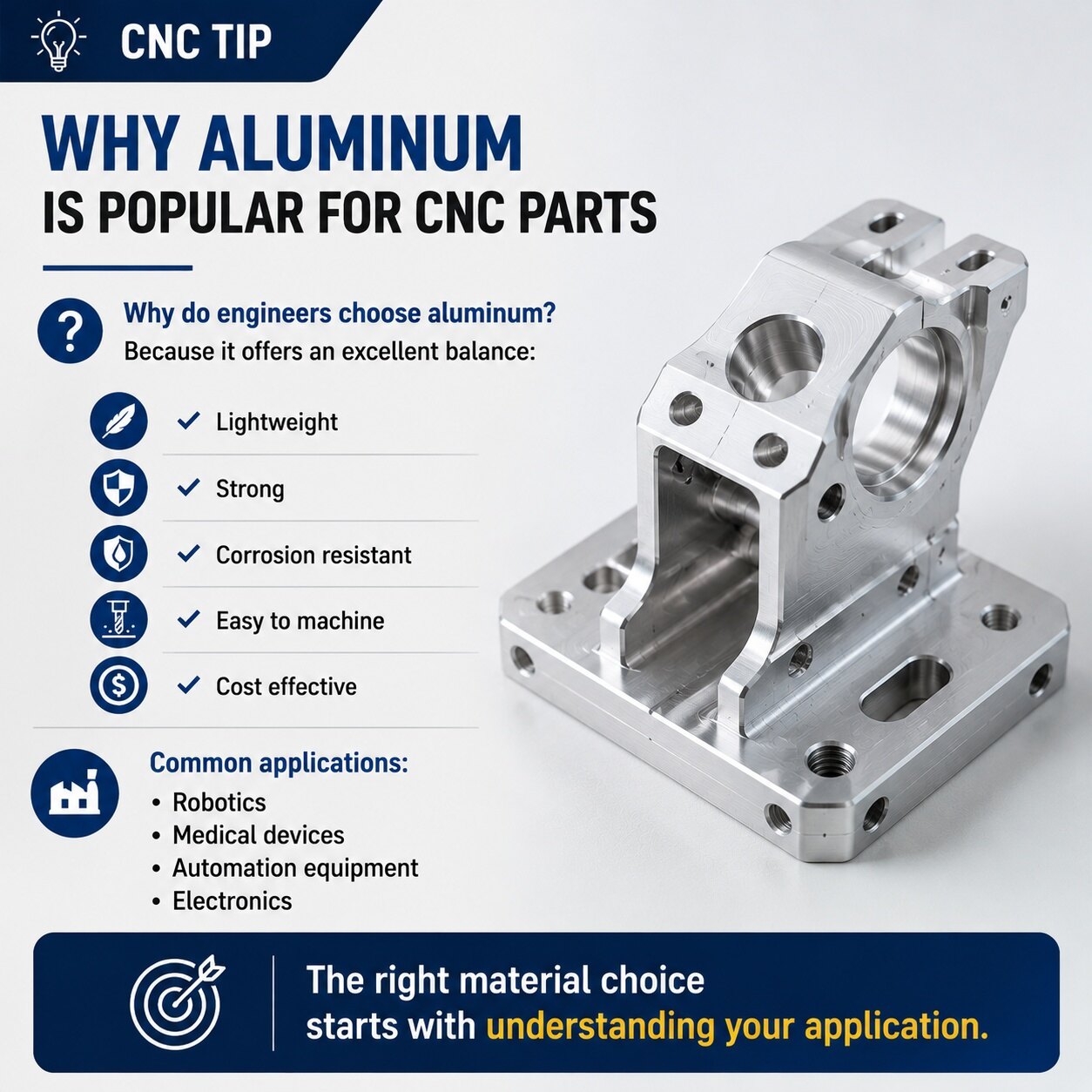
Why Aluminum Is Popular for CNC Parts
Why do engineers choose aluminum? Because it offers an excellent balance.
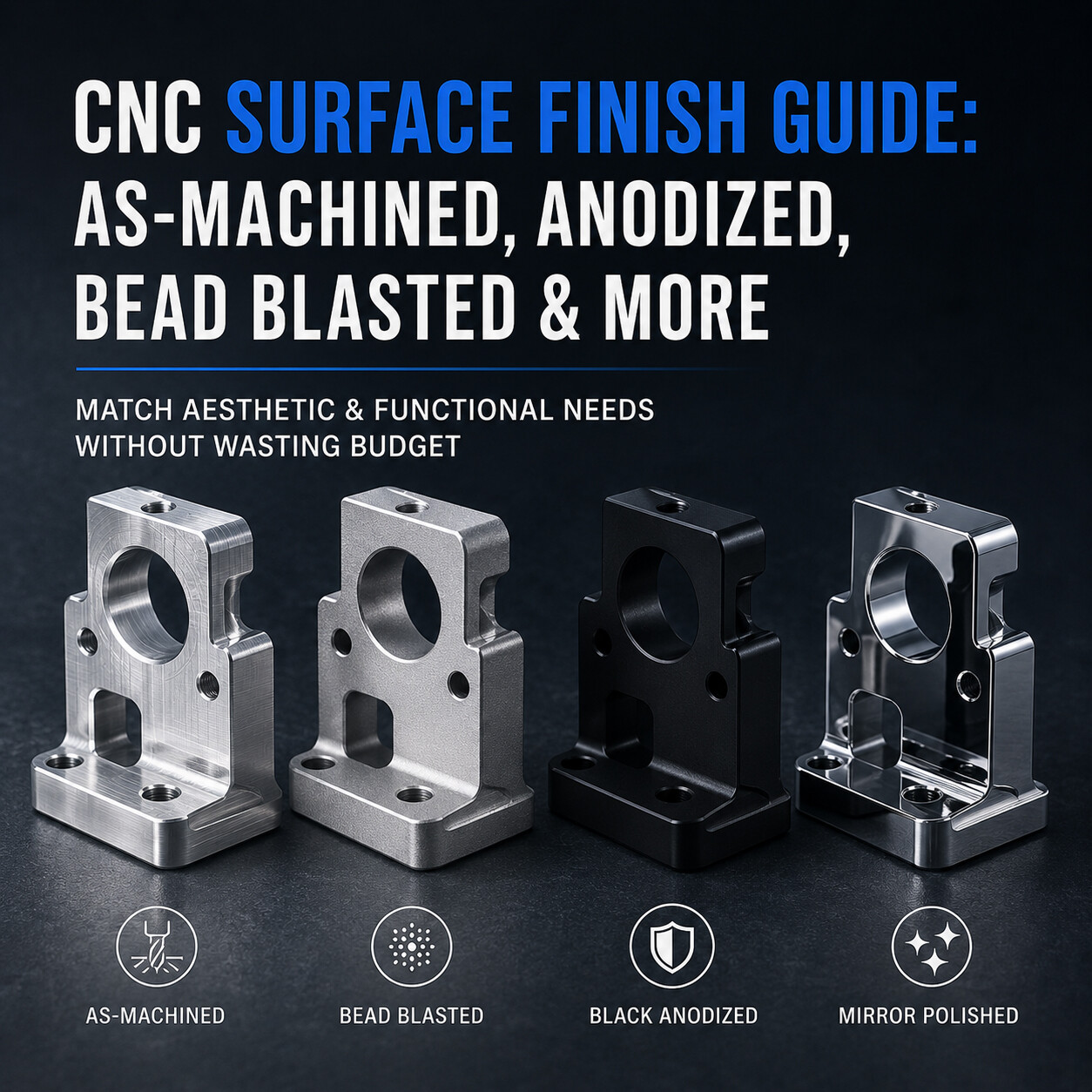
Guide 06: CNC Surface Finish Options: Which One Is Right for Your Part?
Beyond dimensional accuracy, a CNC part's surface finish dictates its appearance, corrosion resistance, and wear performance. Choosing the correct finish prevents unnecessary production costs while ensuring your part meets exact functional and aesthetic demands.
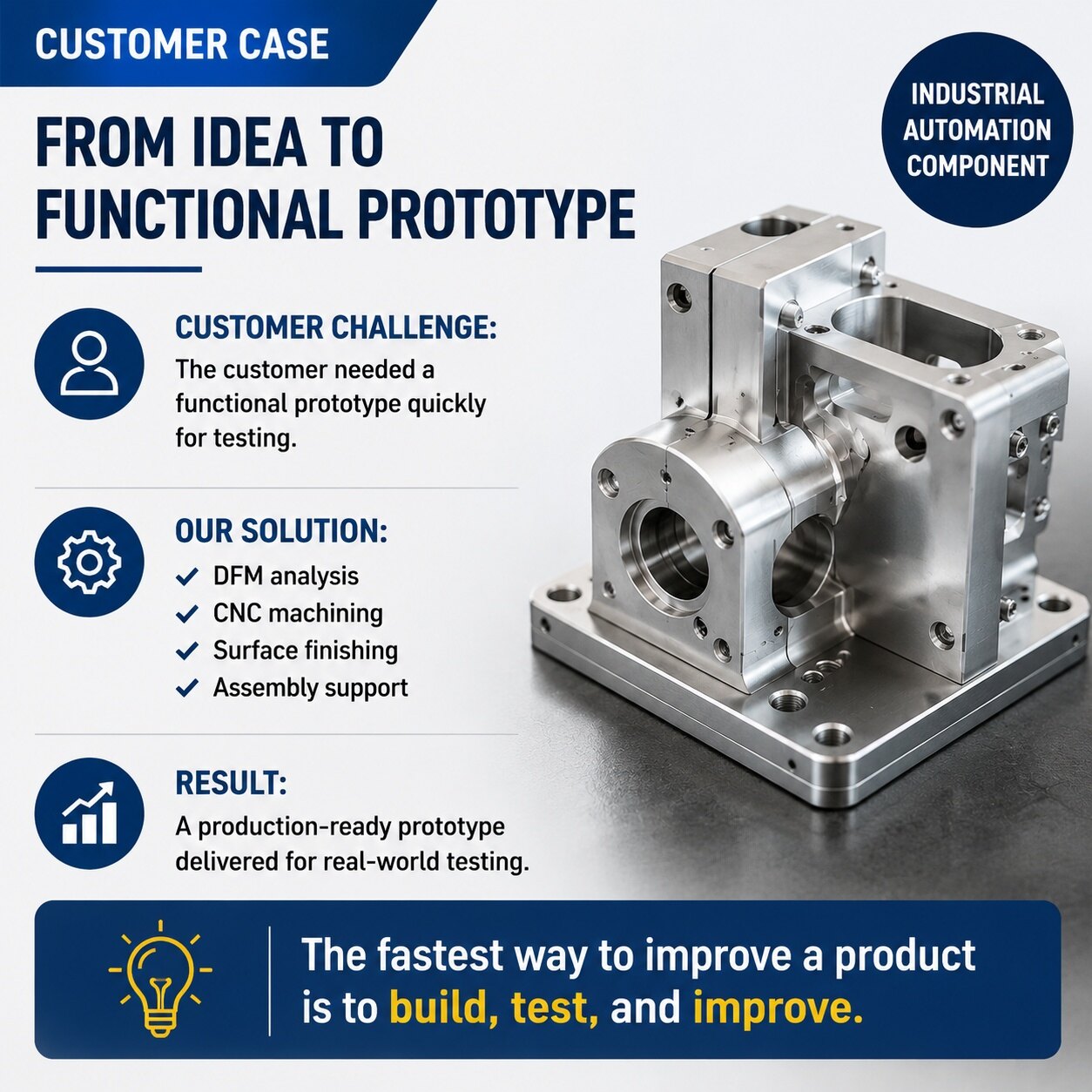
From Idea to Functional Prototype
The fastest way to improve a product is to build, test, and improve.
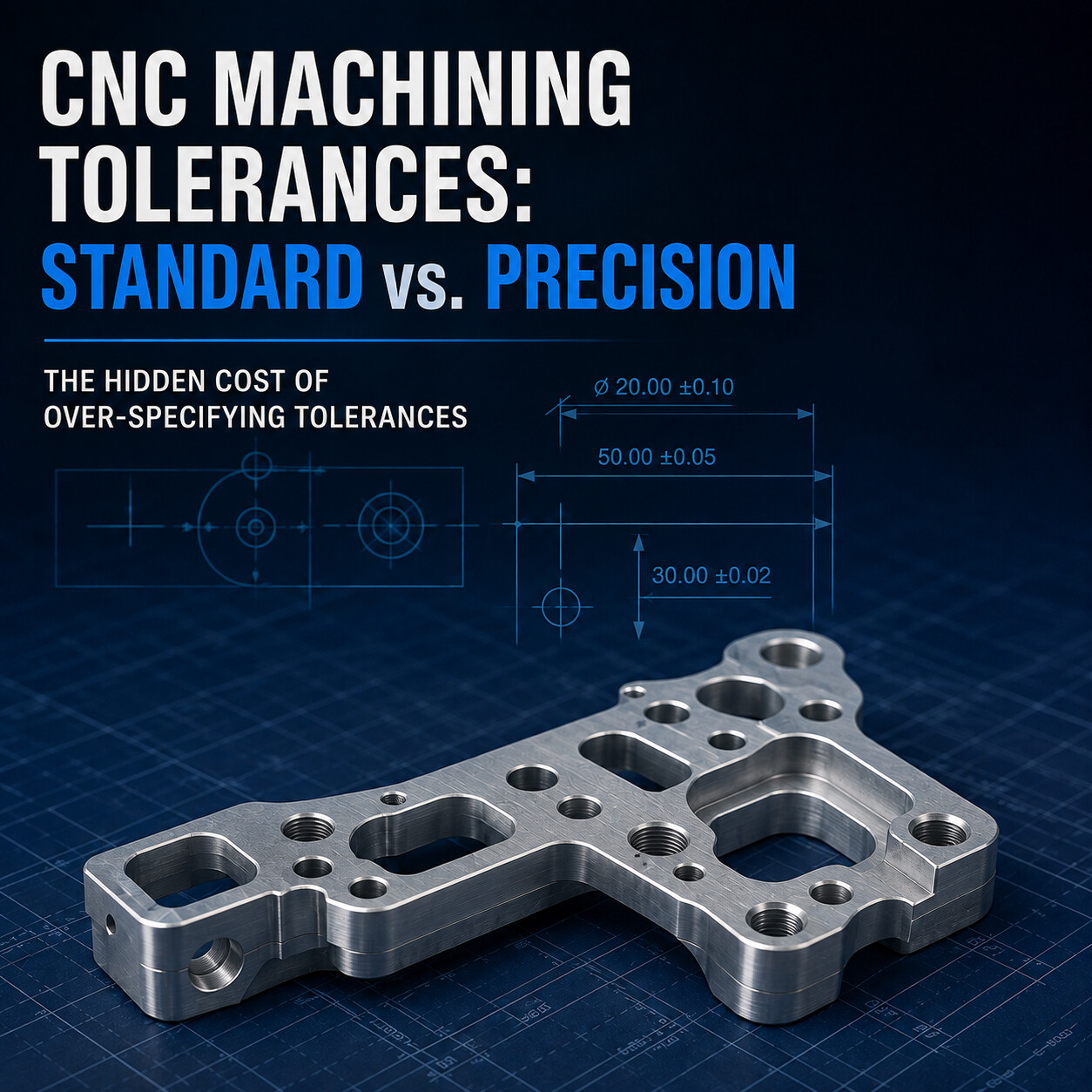
Guide 05: CNC Machining Tolerances Explained: How Precise Does Your Part Really Need to Be?
While CNC machining excels at extreme precision, over-engineering tolerances drives up manufacturing costs without boosting performance. Matching tolerances strictly to functional requirements optimizes both quality and budget.
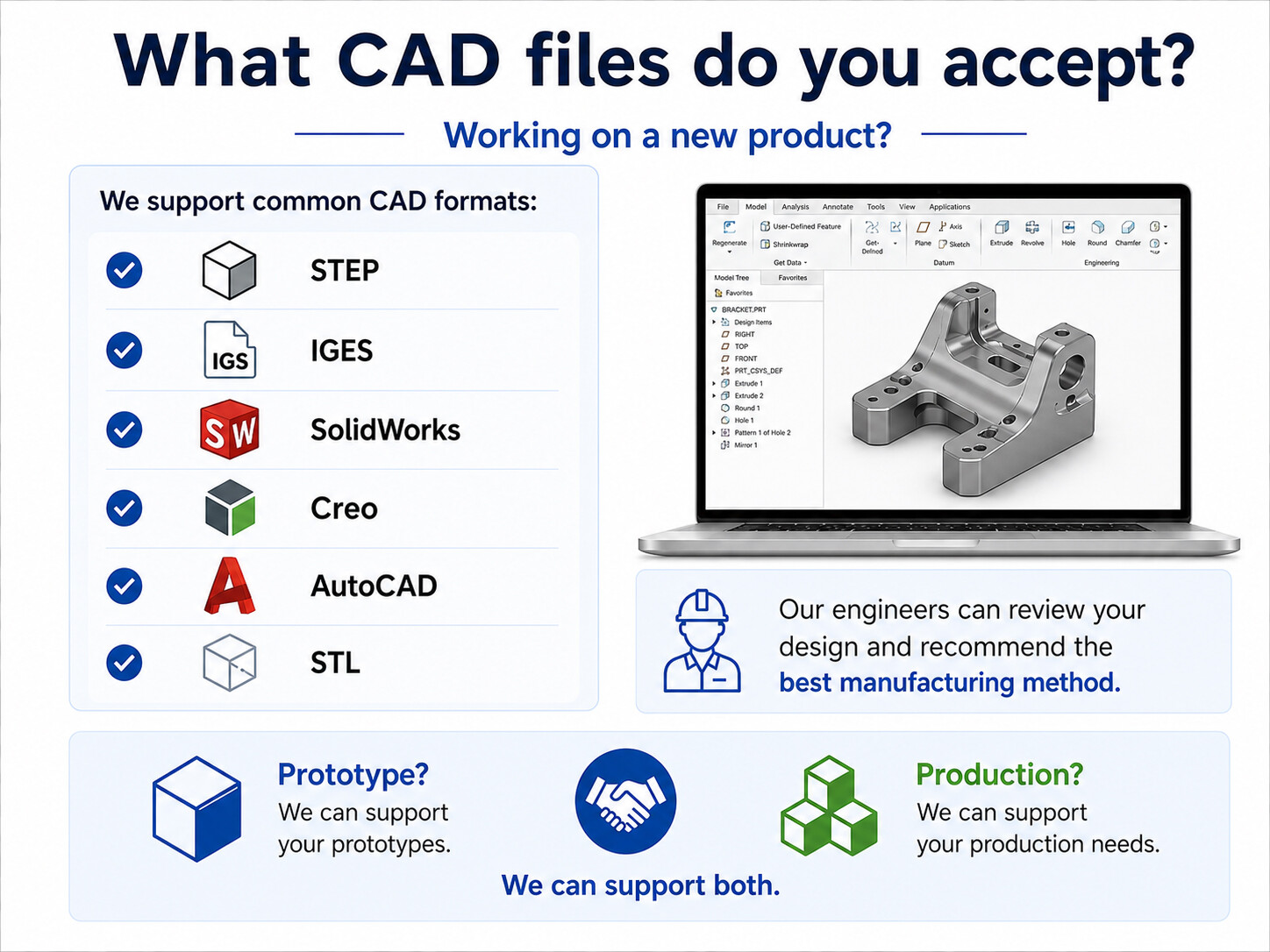
Question: What CAD files do you accept?
We support common CAD formats
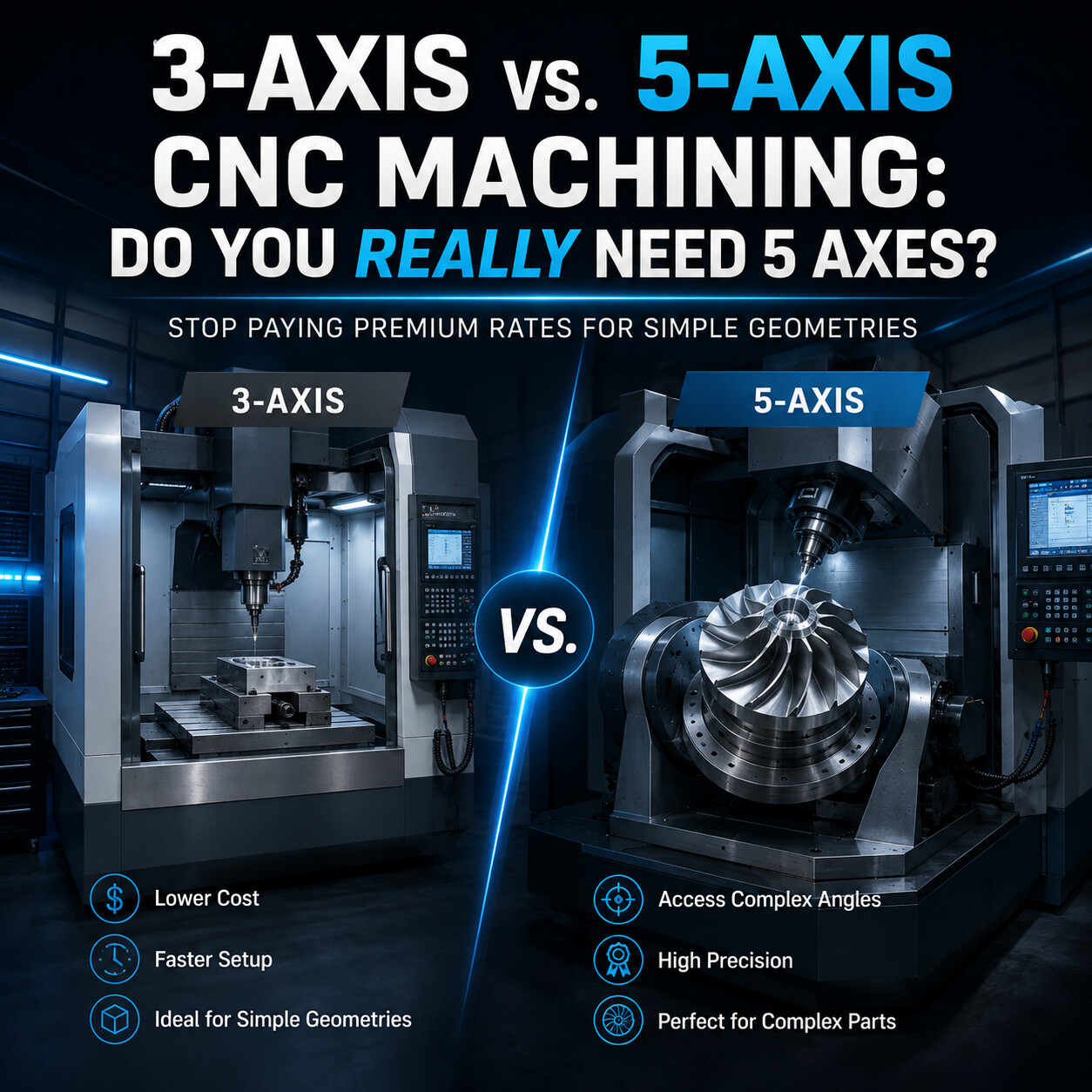
Guide 04: 3-Axis vs. 5-Axis CNC Machining: Do You Really Need 5 Axes?
While 5-axis CNC machining offers unmatched geometric freedom, it comes with a steep price tag. For prismatic components and standard pockets, 3-axis machining delivers identical tolerance compliance at a fraction of the cost. Balancing part complexity against operational expenses prevents unnecessary budget overruns.
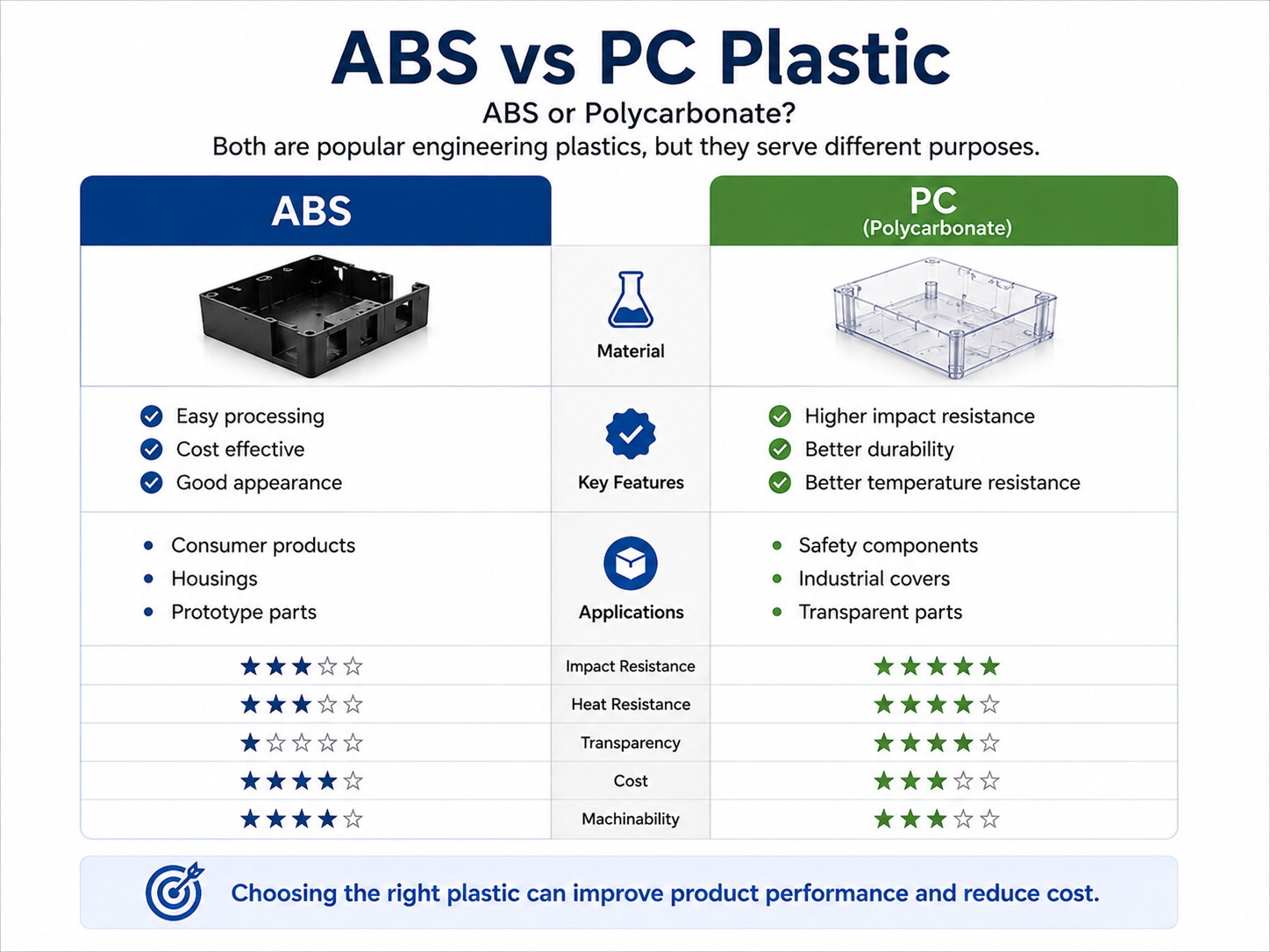
ABS vs PC Plastic
ABS or Polycarbonate? Both are popular engineering plastics,but they serve different purposes .
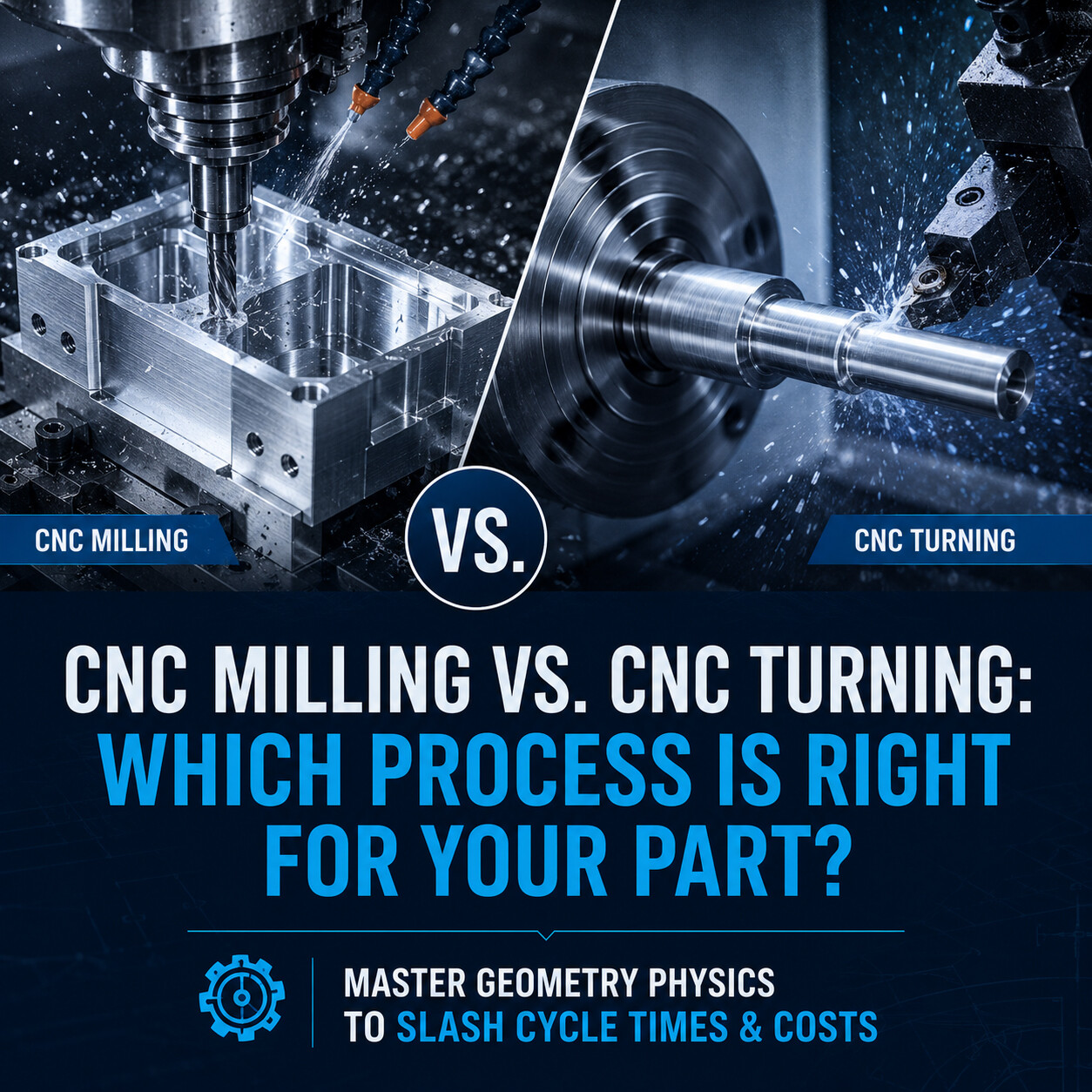
Guide 03: CNC Milling vs. CNC Turning
CNC milling and CNC turning are foundational subtractive processes in modern precision manufacturing. While both use computer numerical control to shape raw stock, they differ entirely in mechanics: milling rotates the tool against a fixed workpiece, whereas turning rotates the workpiece against a stationary tool. Selecting the correct method optimizes part quality, slashes cycle times, and lowers production costs.
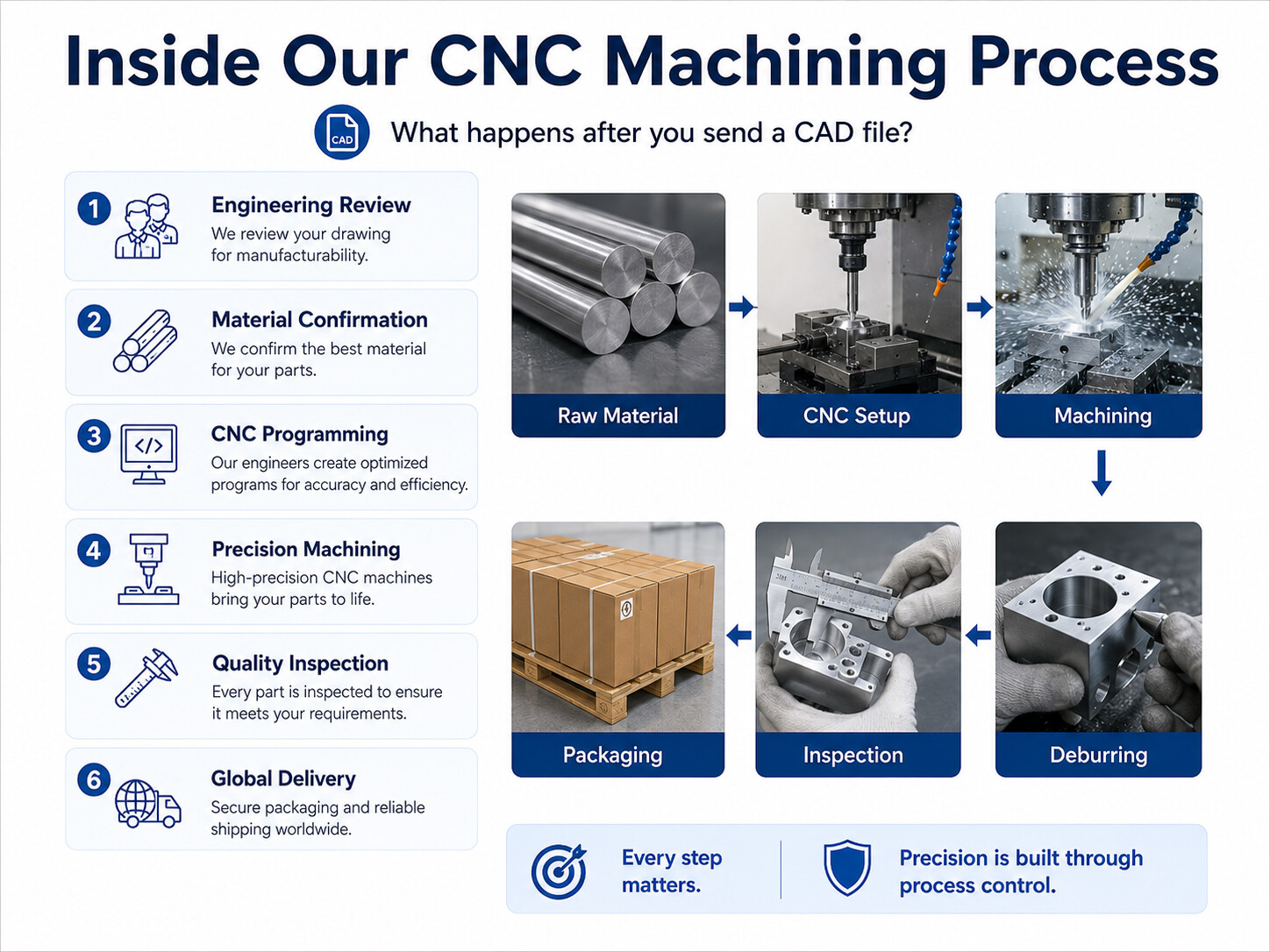
Inside Our CNC Machining Process
What happens after you send a CAD file?
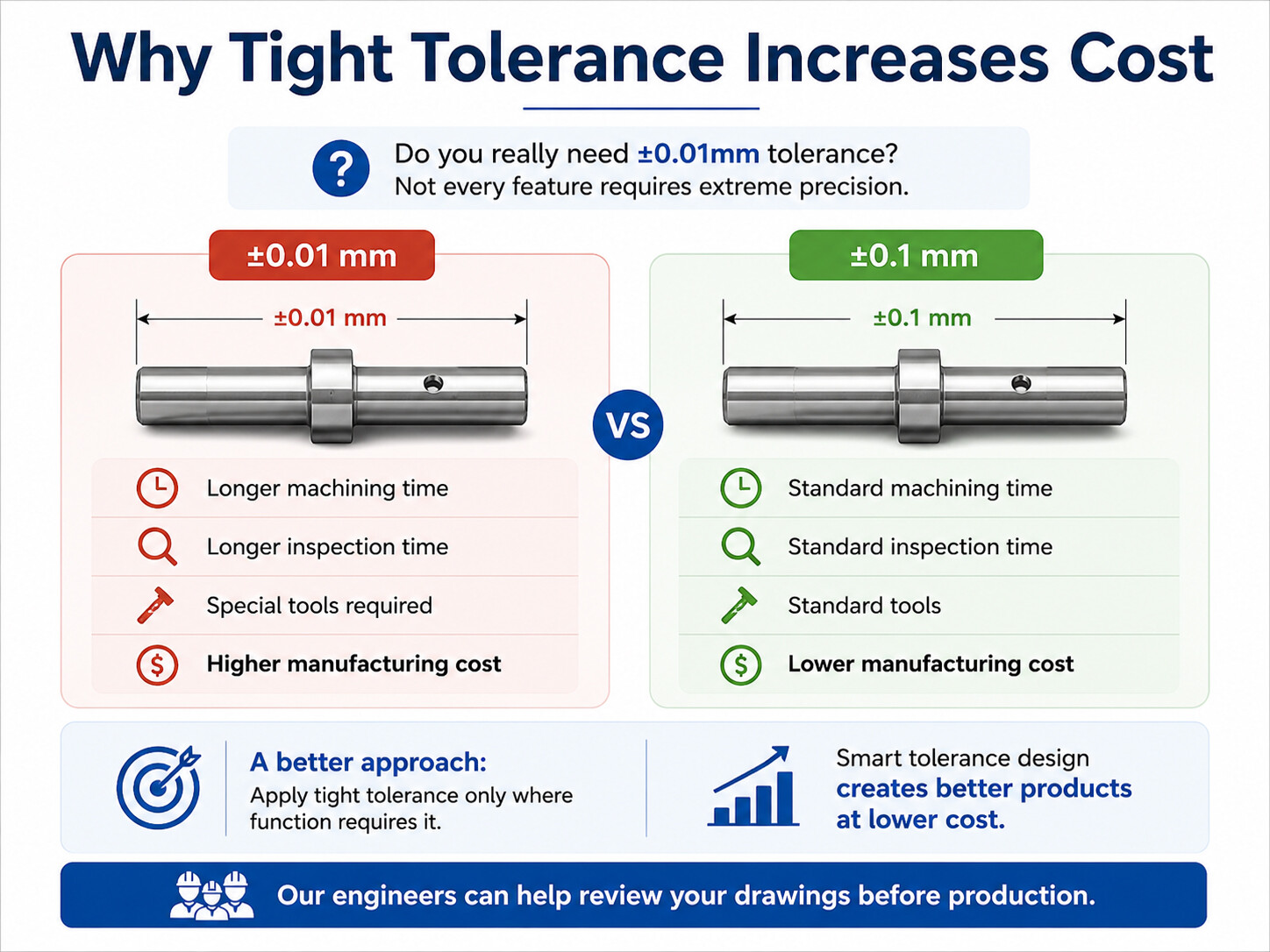
Why Tight Tolerance Increases Cost
Not every feature requires extreme precision.
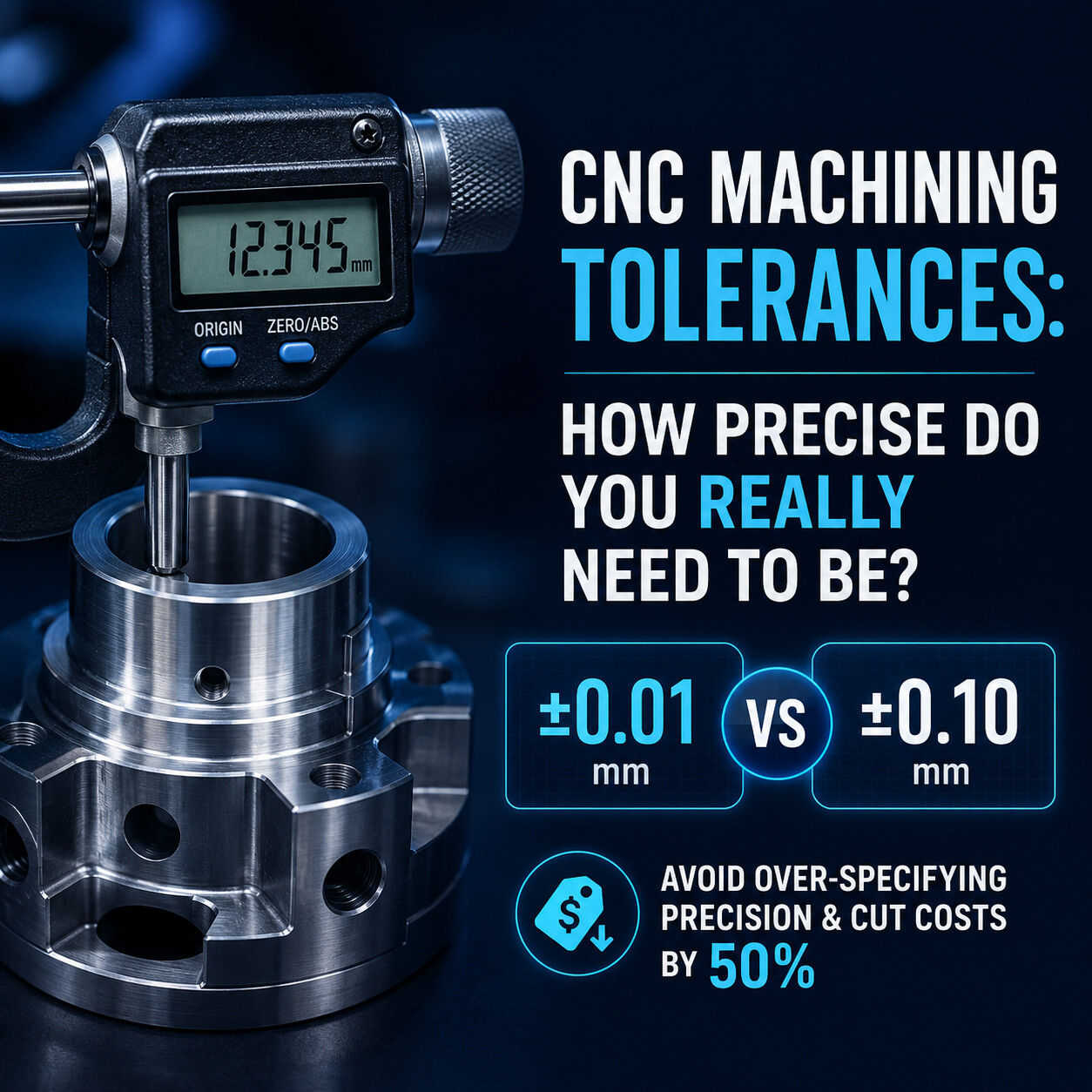
Guide 02: CNC Machining Tolerances Explained
Specifying tighter tolerances than necessary is a primary cause of inflated CNC machining costs. Choosing ±0.01 mm over ±0.10 mm may feel safer, but it significantly increases machining time, inspection overhead, and scrap rates. This guide explains standard vs. precision tolerances and how to balance accuracy with manufacturing budget.
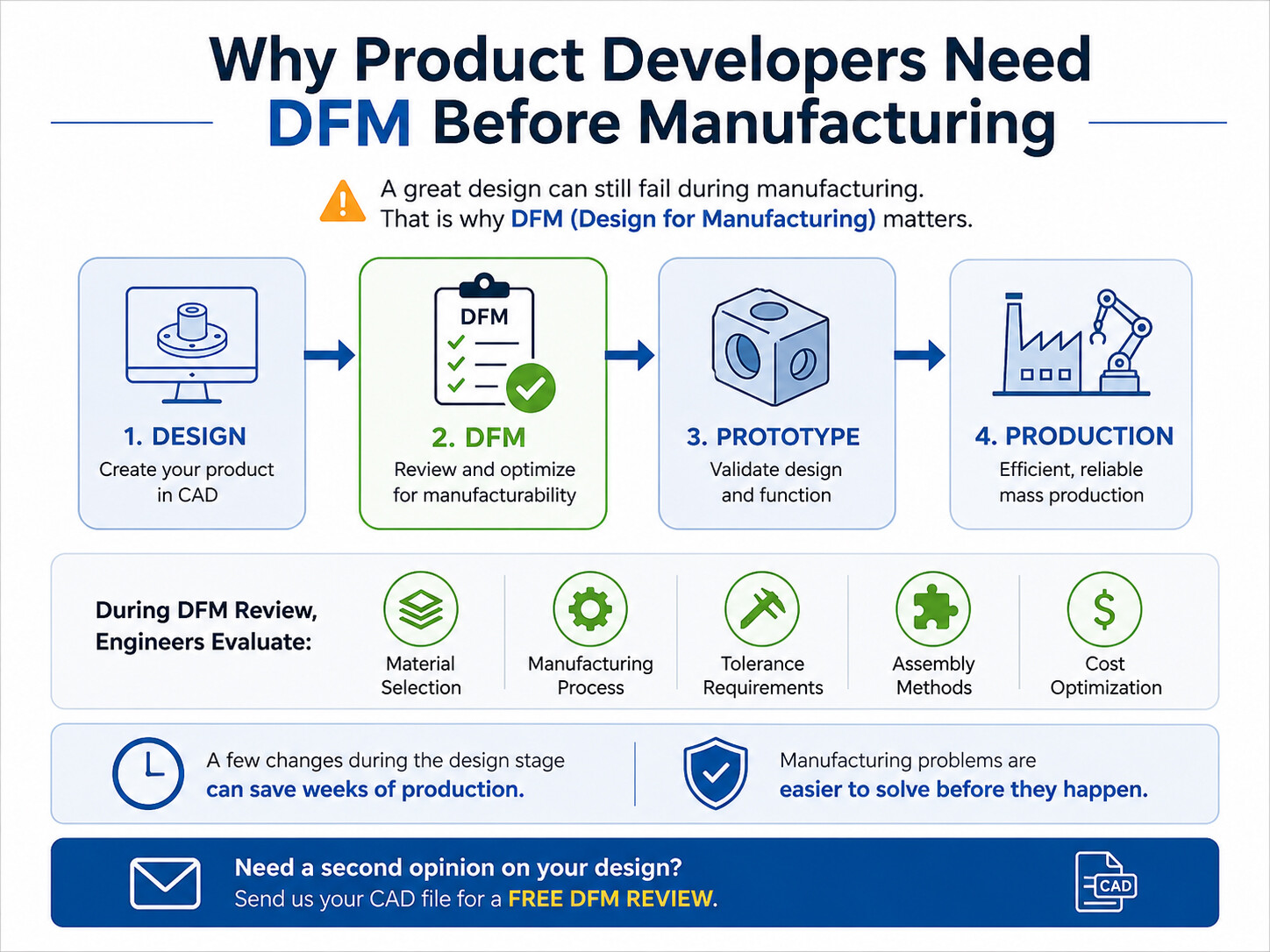
Why Product Developers Need DFM Before Manufacturing
Why Product Developers Need DFM Before Manufacturing
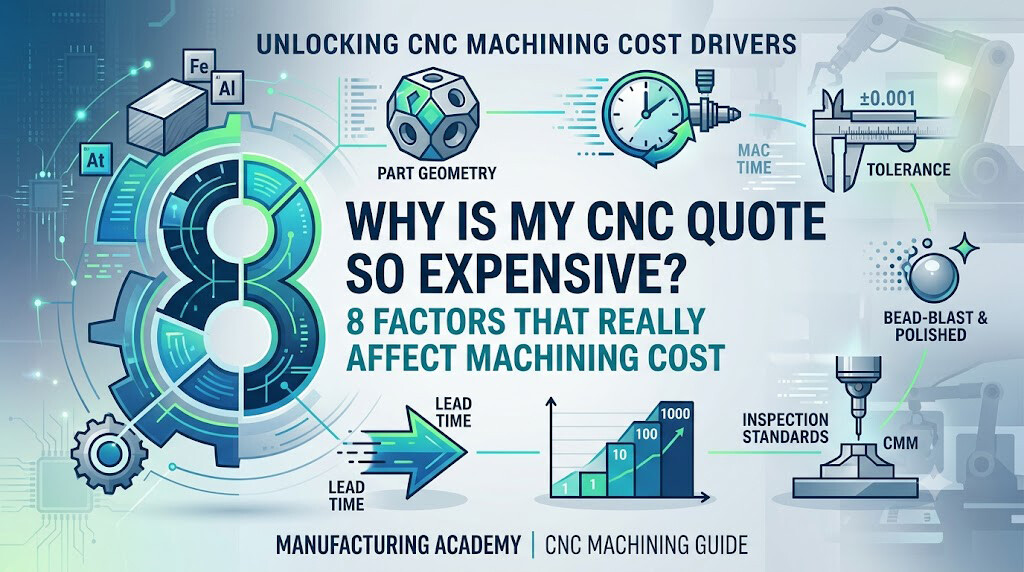
Guide 01: Why Is My CNC Quote So Expensive?
High CNC machining quotes are typically driven by design complexity, material choice, and setup time—not just supplier margins. This guide breaks down the core factors affecting your pricing and offers practical engineering tweaks to eliminate unnecessary manufacturing costs.
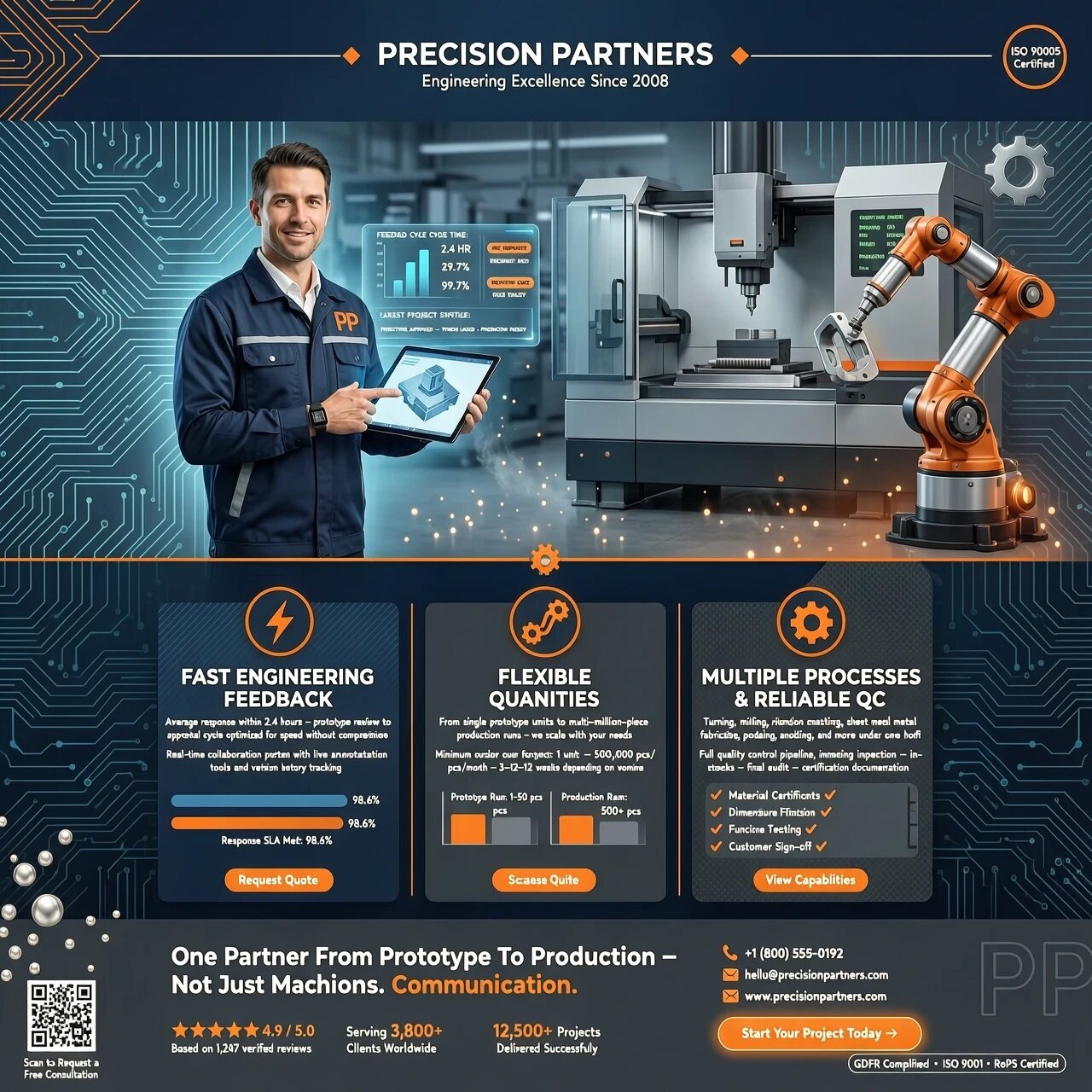
Why Work With Us?
Manufacturing is not only about machines. It is about communication.
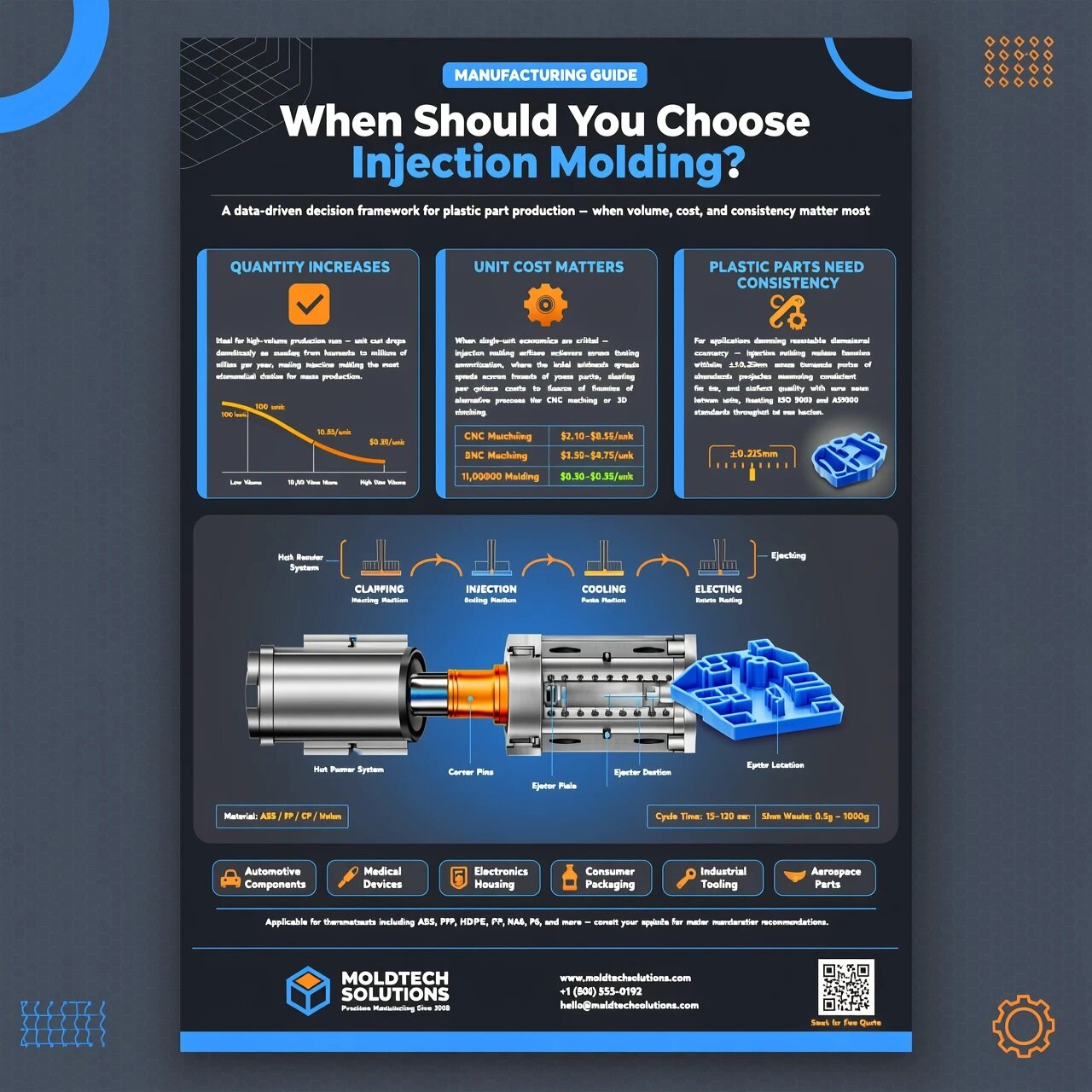
When Should You Choose Injection Molding?
A good manufacturing partner helps you choose the right process at the right stage.
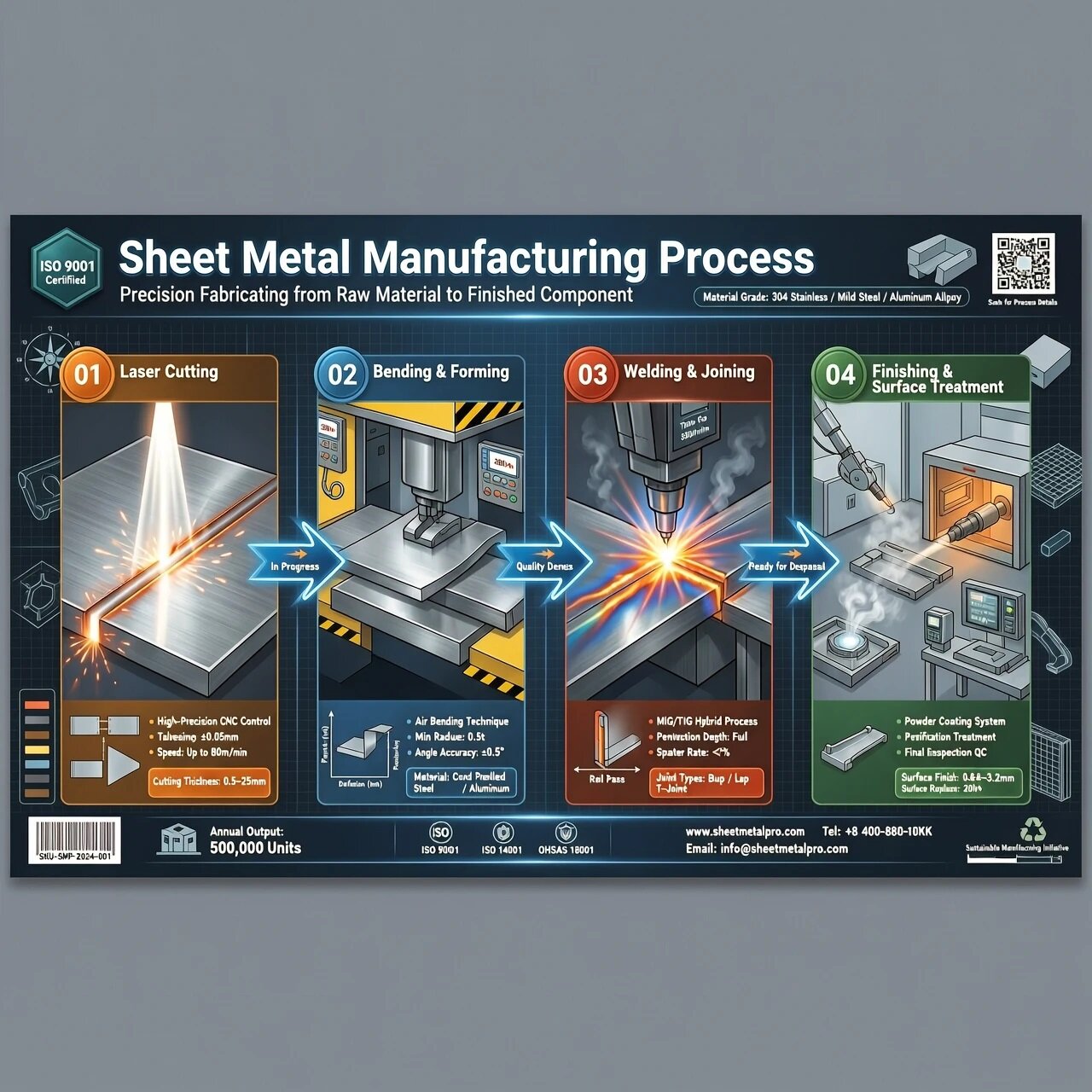
Sheet Metal Manufacturing Process
Good sheet metal design starts before production
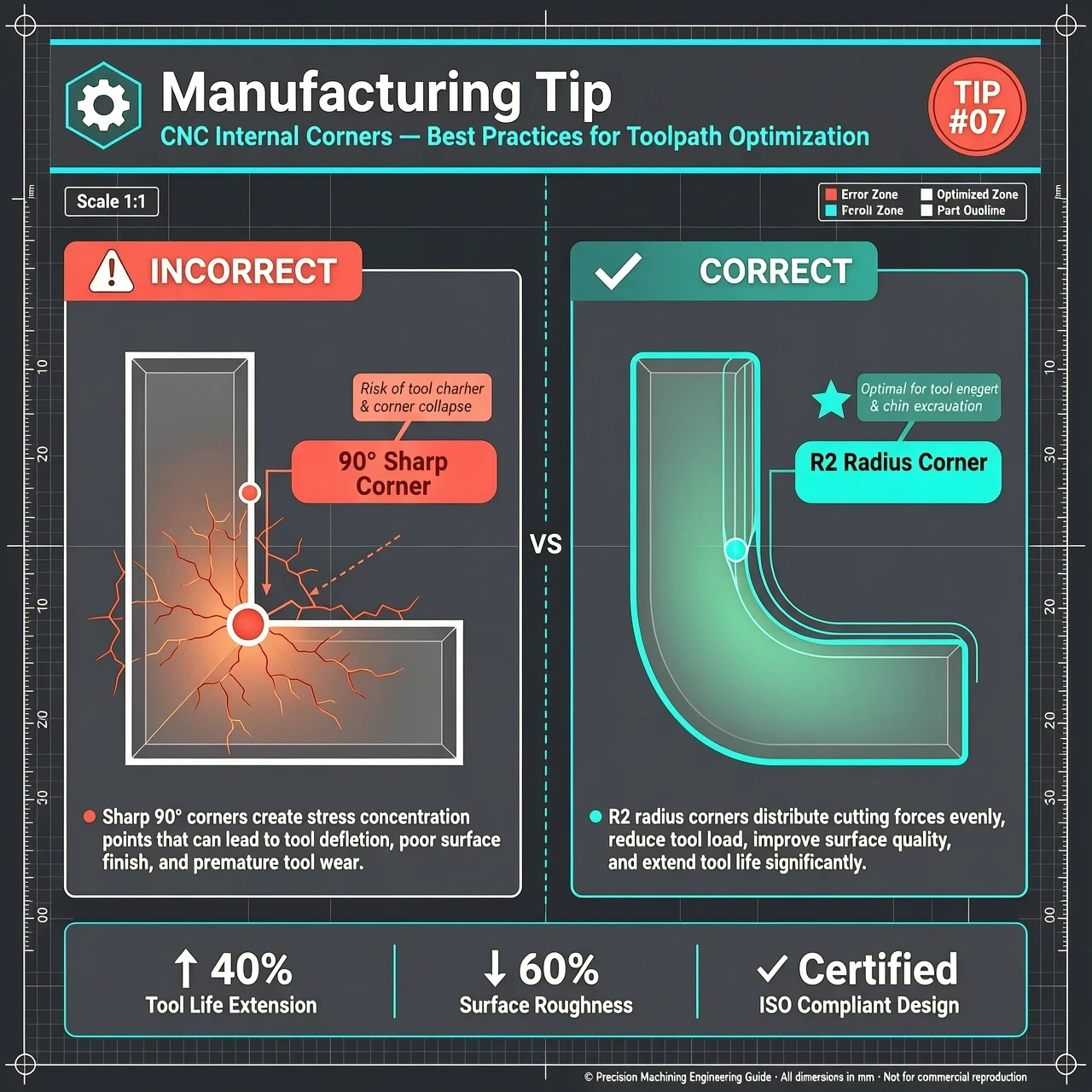
Manufacturing Tip: CNC Internal Corners
A simple CNC design tip: Avoid sharp internal corners.
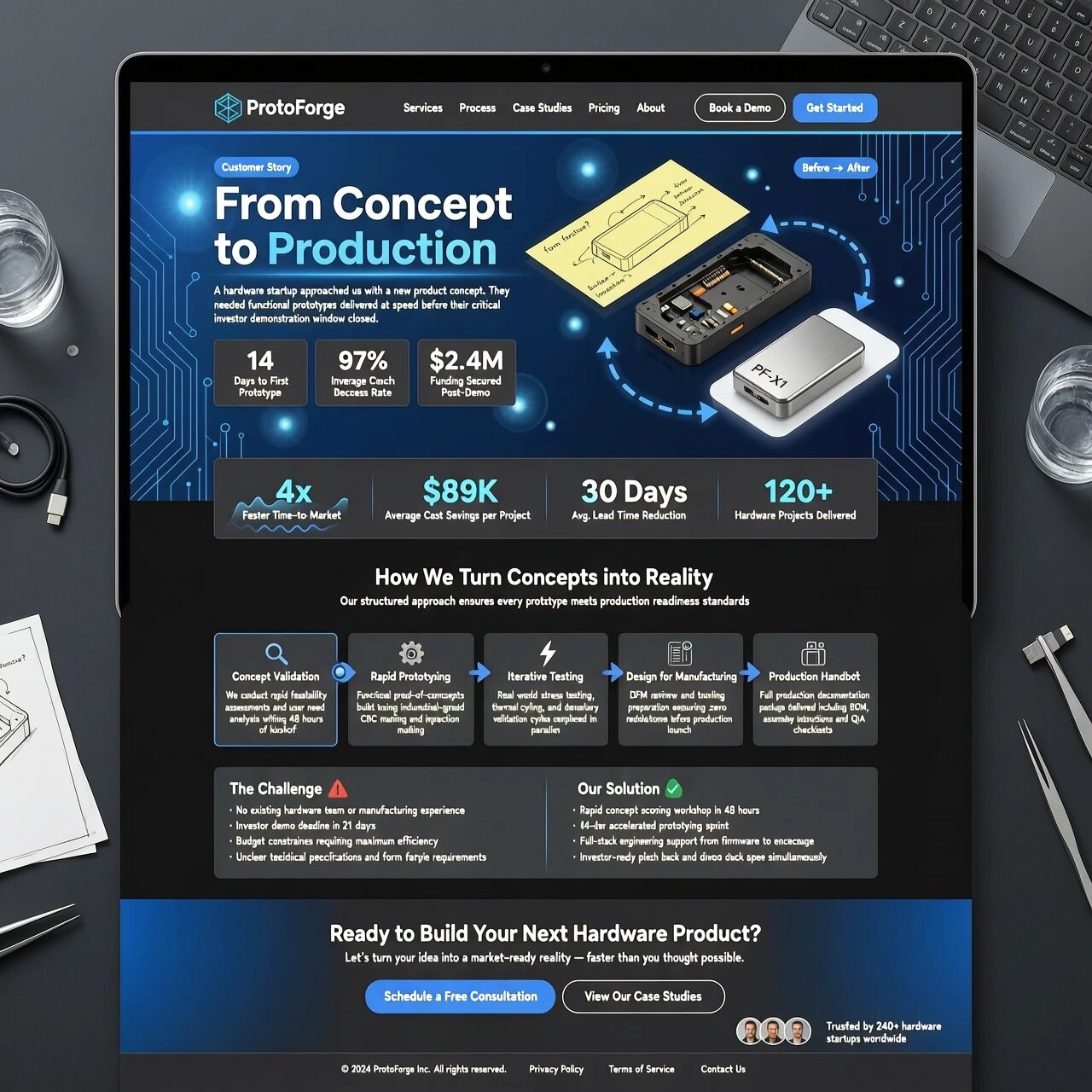
Prototype to Production
Customer Story Prototype to Production
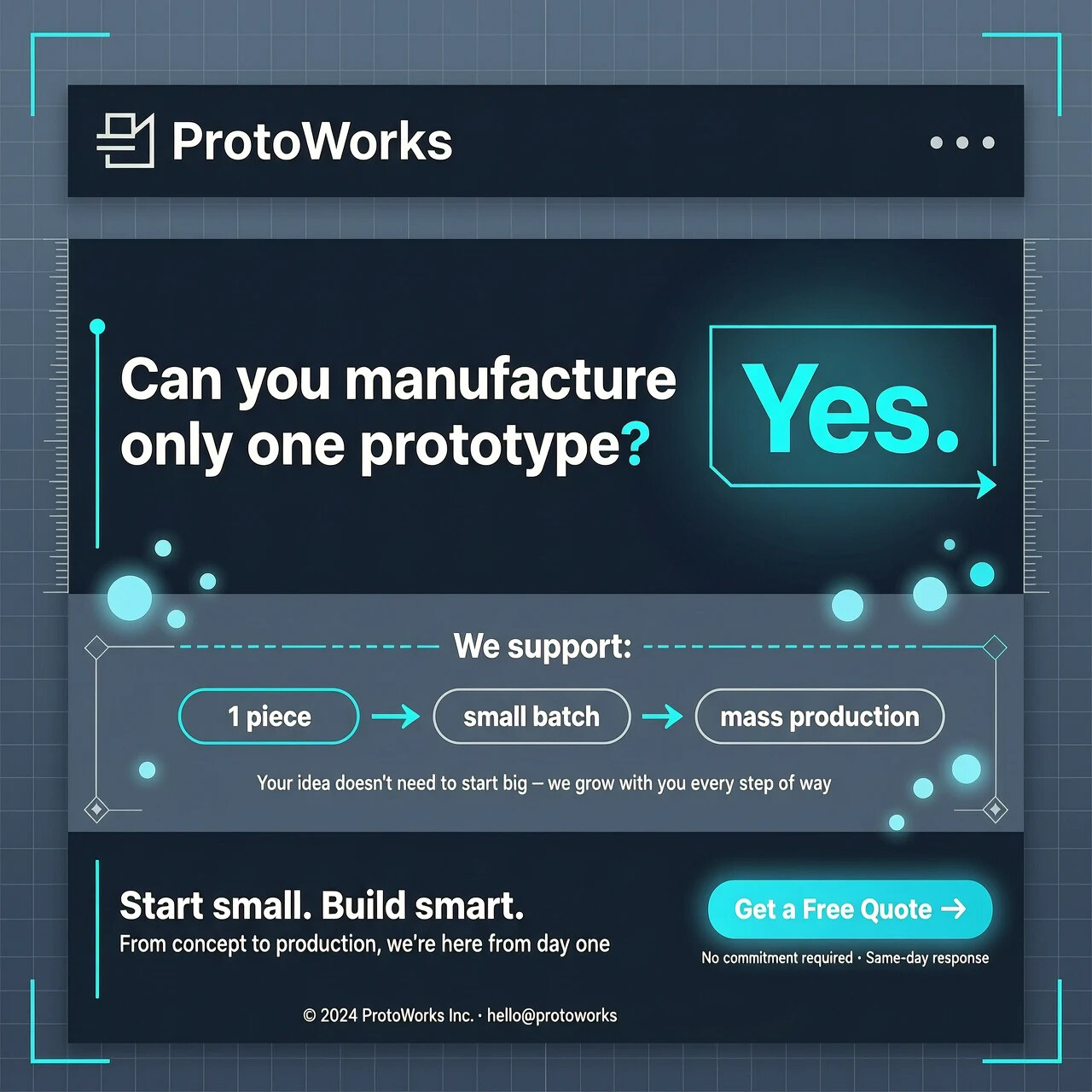
Question: Can you manufacture only one prototype? Yes.
Many of our customers start with only one prototype.
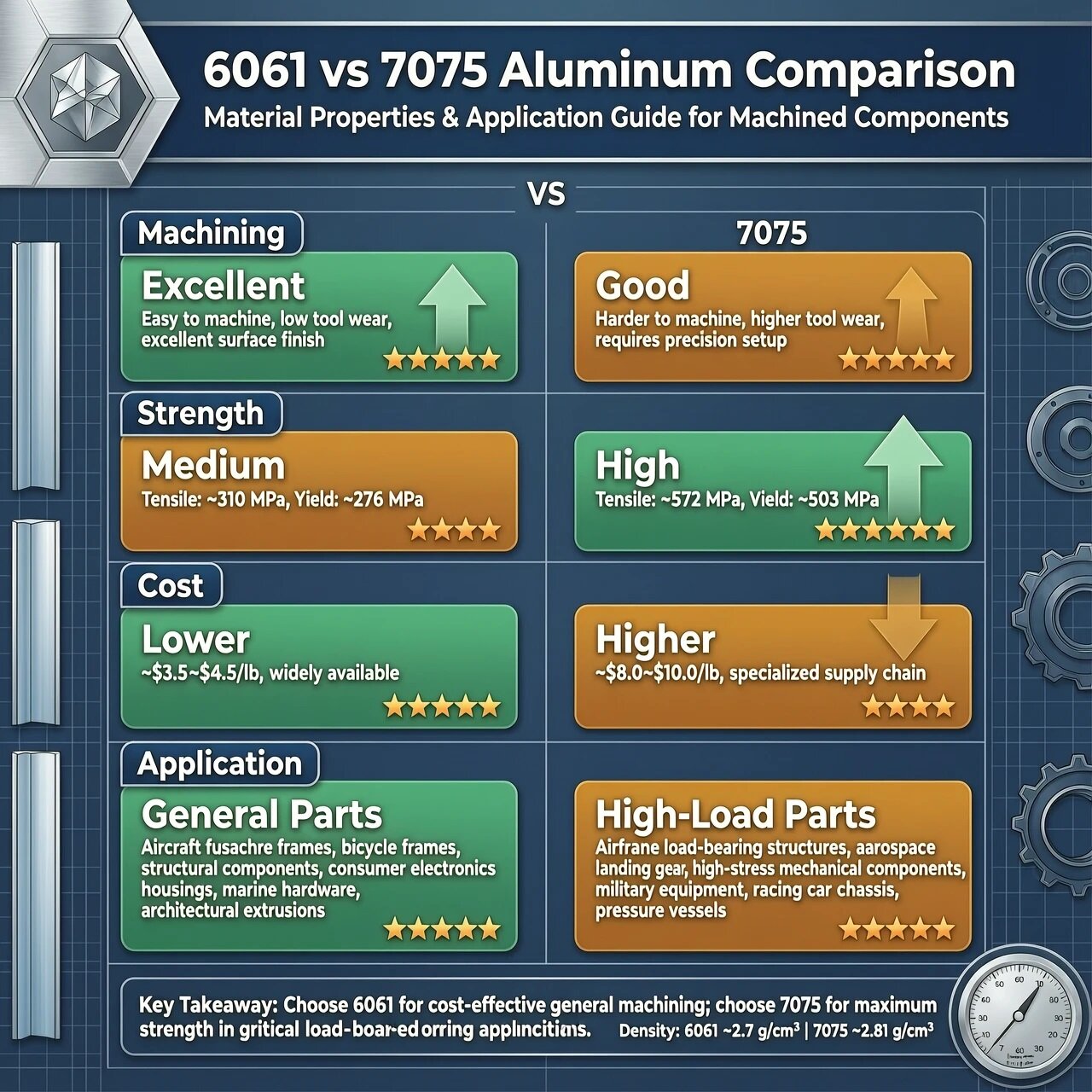
6061 Aluminum vs 7075 Aluminum
Choosing the right material early can save time and cost. Need material advice? Ask our engineers.
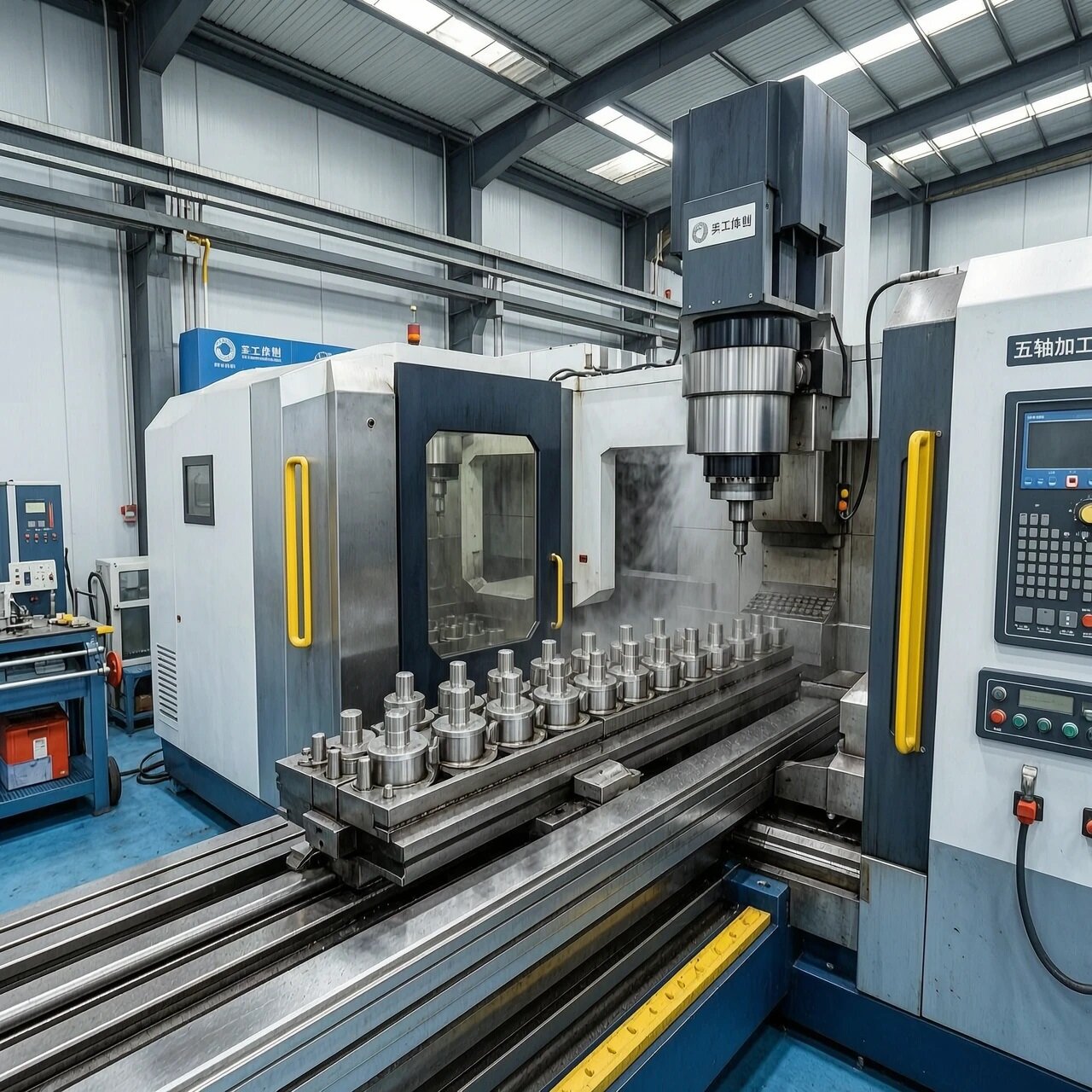
5-Axis CNC Machining
Why choose 5-axis CNC machining? Because complex parts need more than three directions.
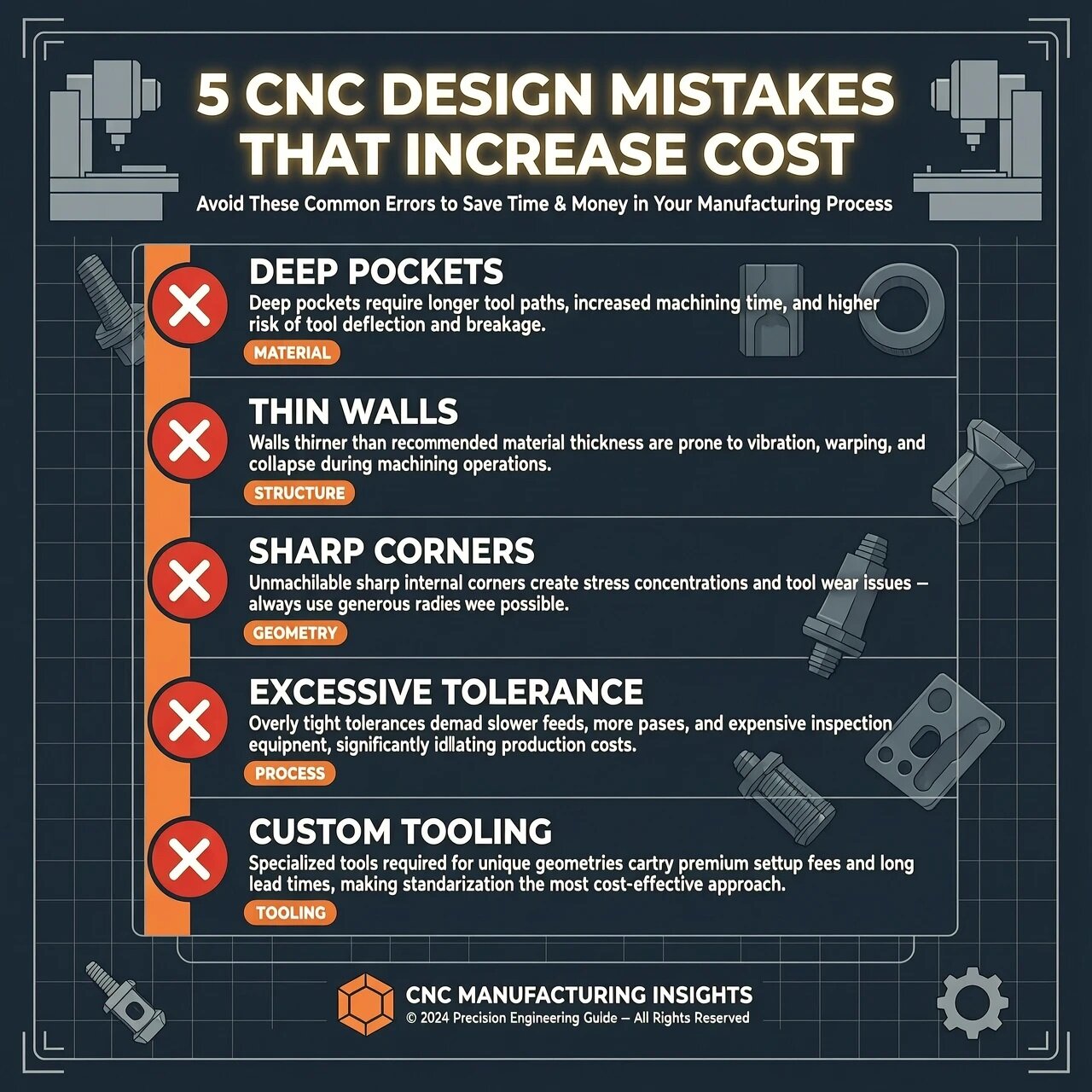
5 CNC Design Mistakes That Increase Cost
Small design decisions can create big manufacturing costs.
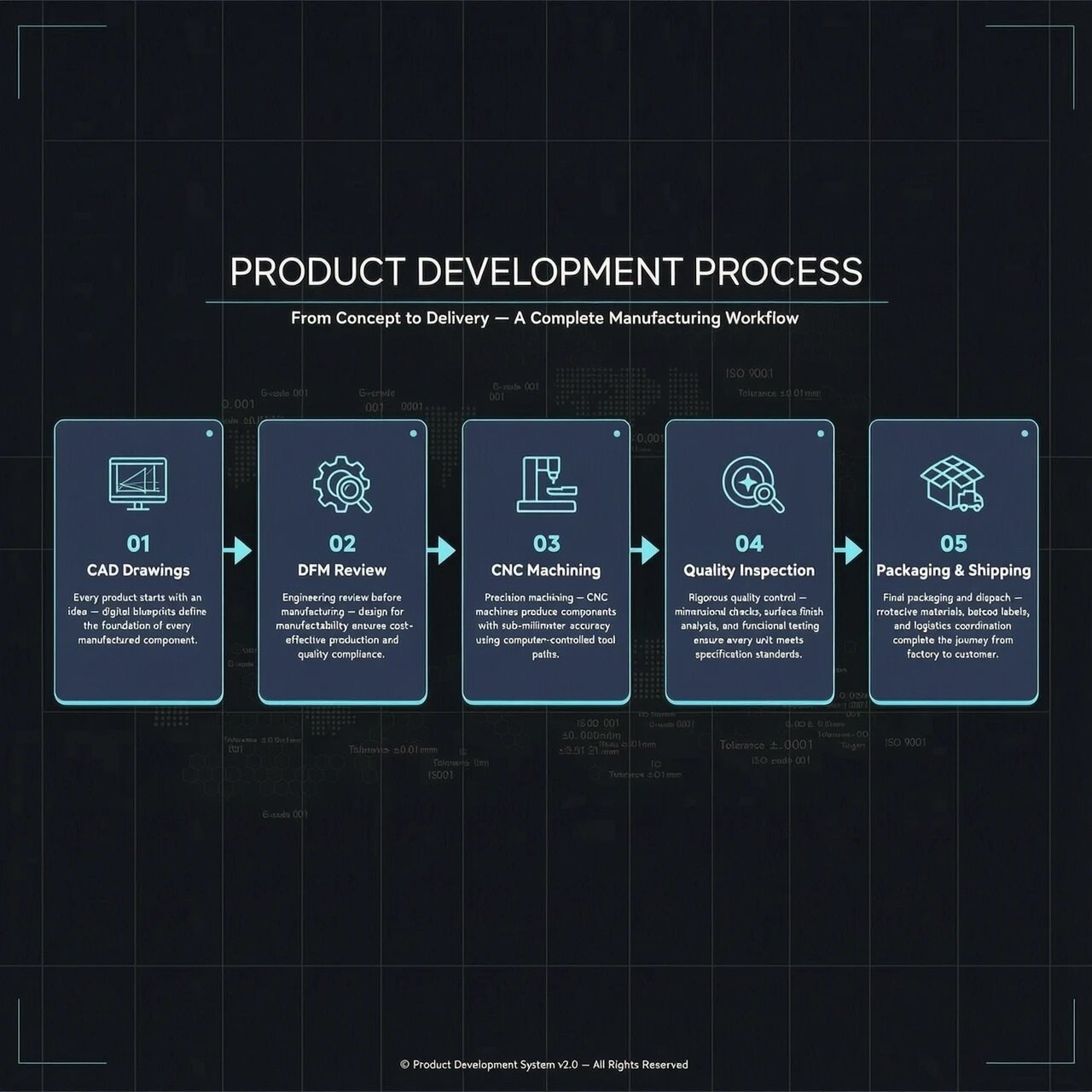
Topic: From CAD File to Finished Product
CAD-DFM-CNC-Quality inspection-Ready for delivery
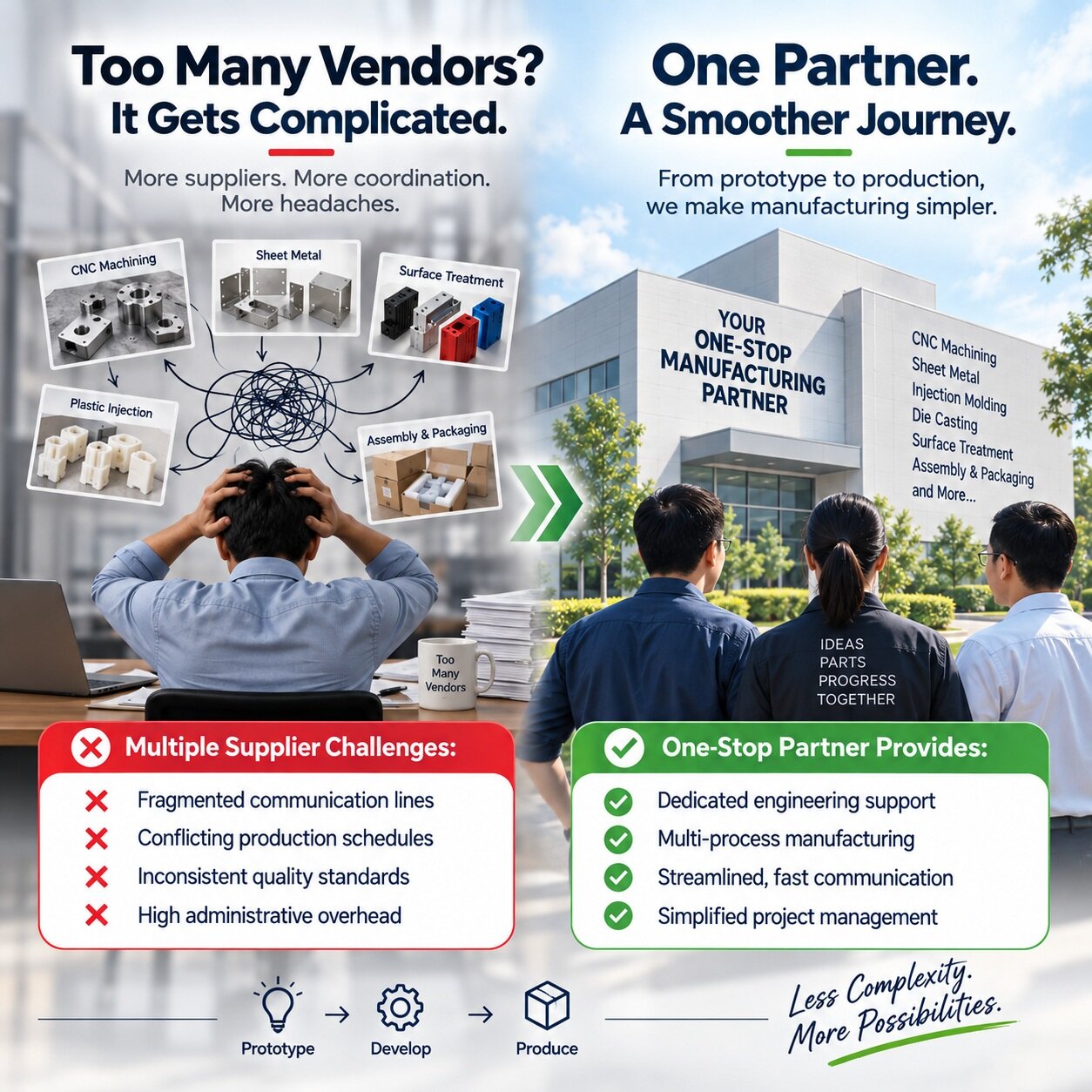
Why Customers Choose One-Stop Manufacturing for Product Development
Discover how partnering with a one-stop manufacturing provider eliminates multi-vendor friction, accelerates timelines, and simplifies project management from prototype to production.
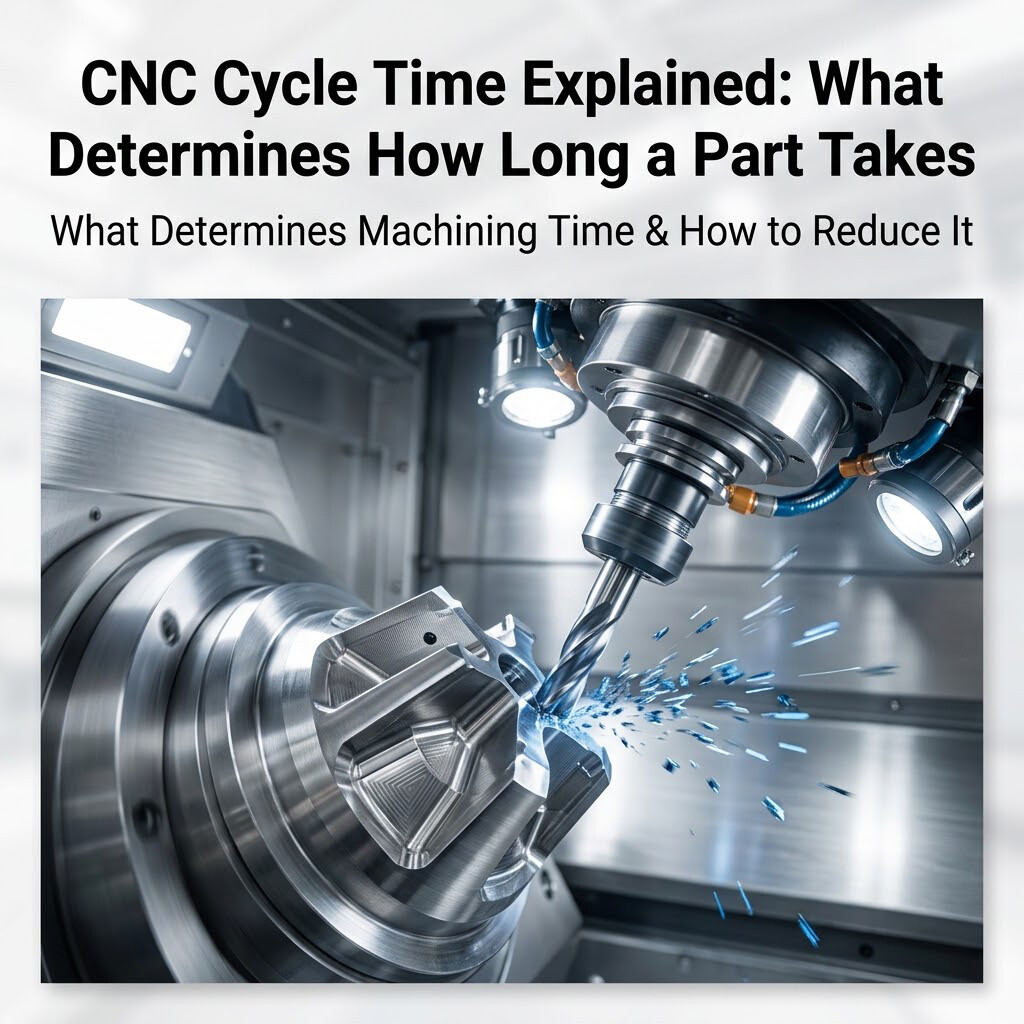
Guide 19: CNC Cycle Time Explained: What Determines How Long a Part Takes to Machine
An essential guide to understanding CNC cycle time, key influencing factors, and proven strategies to reduce machining duration and costs.
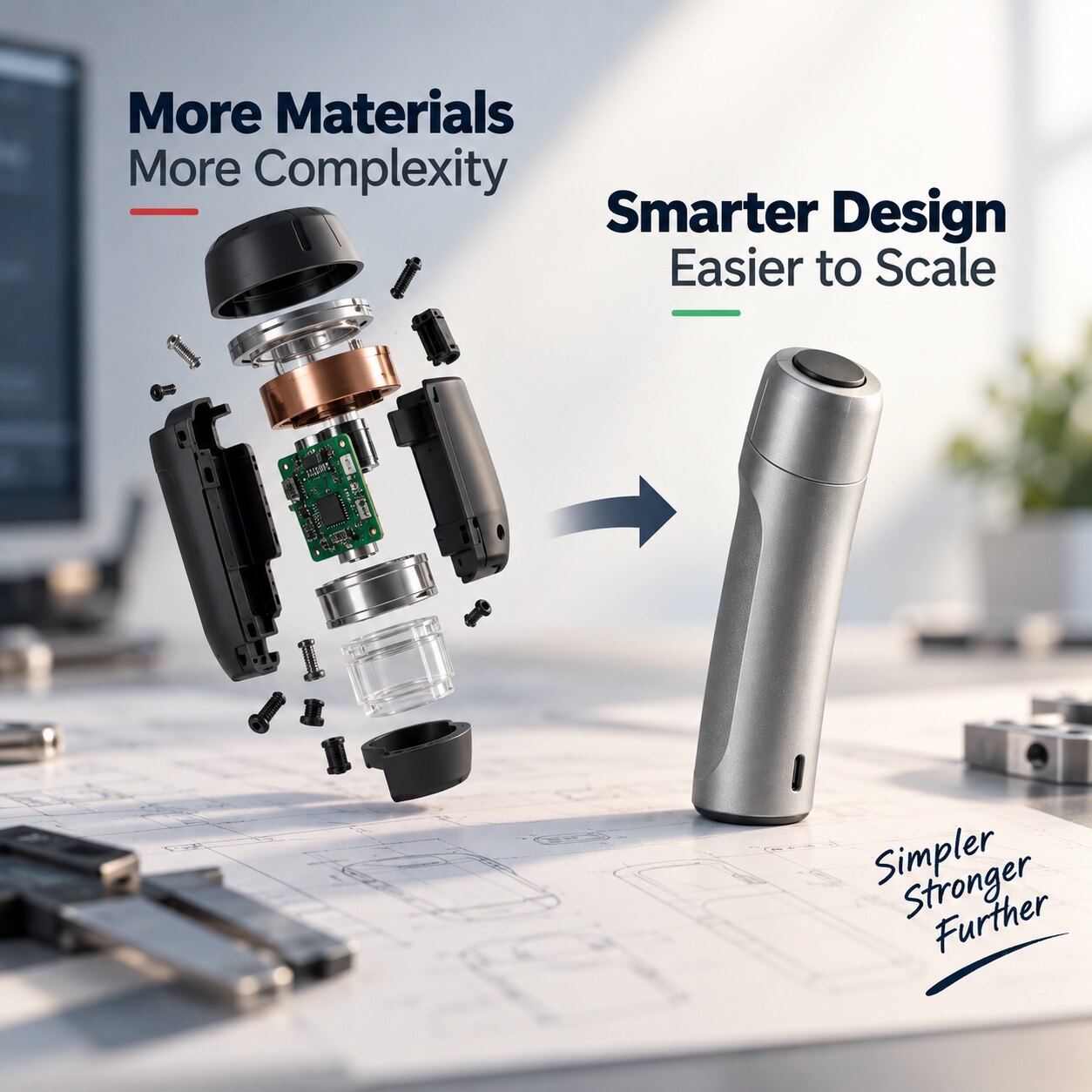
Engineering Best Practices: Why You Should Avoid Too Many Materials in Product Design
Learn why limiting material variety in product design reduces supplier complexity, lowers inventory costs, and simplifies manufacturing scalability.

Smart Manufacturing: The Future of Production
Explore how IoT, AI, and automation are transforming modern manufacturing facilities into smart factories.

Automotive Parts Manufacturer Reduces Defects by 40%
How a mid-size automotive parts supplier implemented AI-powered visual inspection to dramatically reduce defect rates.

Additive Manufacturing in Industrial Applications
Beyond prototyping: how 3D printing is being used for end-use parts, tooling, and repair in heavy industry.

Electronics Assembly Line Automation Success Story
A leading electronics manufacturer achieved 60% throughput increase through strategic automation of their SMT assembly line.

Green Manufacturing: Reducing Carbon Footprint in Production
Practical strategies for manufacturers to reduce energy consumption and carbon emissions while maintaining productivity.

CNC Machining Tolerances: A Comprehensive Guide
Understanding standard and tight tolerances in CNC machining, including tips for achieving precision in complex parts.