
The Anatomy of Precision: How CNC Machining and Human Expertise Shape Modern Manufacturing
Explore how CNC machining transforms raw metal and plastic blocks into high-precision components through programming, cutting, and quality control—and why human engineering experience remains irreplaceable.
The Anatomy of Precision: How CNC Machining and Human Expertise Shape Modern Manufacturing
In modern manufacturing, turning a raw material block into a mission-critical component requires an intricate balance of technology and human skill. While advanced CNC (Computer Numerical Control) machines dominate modern workshops, the journey from raw stock to finished product is far more nuanced than simply pressing "start."
The Core CNC Machining Workflow
At its foundation, a standard CNC machining process follows three critical phases:
Programming: Every precision part begins as a digital CAD model. Skilled programmers translate these designs into machine-readable G-code, establishing tool paths, spindle speeds, and feed rates.
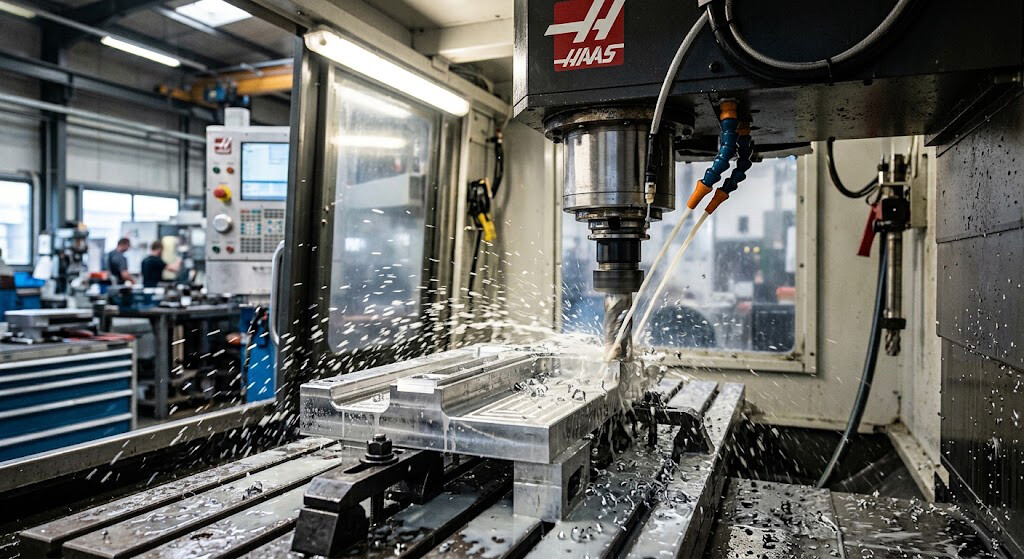
Precision Cutting: The CNC machine executes multi-axis movements to remove material with microscopic accuracy, transforming raw aluminum, steel, or engineering plastics into complex geometries.
Quality Verification: Before any component is approved, rigorous quality control checks measure dimensions, surface roughness, and geometric tolerances against strict specifications.
Beyond the Machine: The Power of Engineering Experience
While state-of-the-art equipment provides the physical capability to cut metal, machinery is only one part of the equation. True manufacturing excellence relies heavily on human experience and engineering intuition.
Experienced engineers and machinists determine the success of a production run by carefully managing:
Tool Selection: Choosing the correct cutter geometry, substrate, and coating to withstand heat and wear.
Machining Strategy: Balancing material removal rates with structural integrity to avoid vibration, tool deflection, or thermal distortion.
Surface Quality: Ensuring immaculate surface finishes free of tool marks or micro-cracks.
Final Accuracy: Guaranteeing that every part meets or exceeds customer specifications on the first pass.
Conclusion
True precision is never accidental. It is the harmonious result of People + Process + Equipment. By combining cutting-edge CNC technology with decades of engineering know-how, manufacturers can unlock unprecedented levels of quality, efficiency, and reliability.